Technote: 3D Printing-My Perspective #2

Technote: 3D Printing-My Perspective #2:

In my previous article, I talked about finishes, minimal wall thickness, custom supports, and printing dowels. I explored the minimum wall thickness with respect to 3D printing options for a scaled RC aircraft, where the CAD and coordinate datasets serve as valuable resources. My preliminary investigations suggested that a minimum of 2 wall loops with a suitable infill may be the way forward.

I ventured to do some 3D prints to see what actually worked, and though my initial ideas had merit, I have found that for the wings and stabilisers, at least a single wall with a gyroid fill provides structural integrity whilst minimising weight.

In the first image above, the Gyroid fill consumes 10% volume, sufficient to fully support a thin single wall. I actually printed a second test using the more traditional rib-and-sheet construction, but for this type, the walls are too thin, as the ribs created indents on the surface and were not as strong. For the latter, I also tried 2 wall layers, but even then, the surface finish was not as good. It could be argued that it does resemble an actual real aircraft look, but this is an RC project, and the key objective is strength with minimal weight. Using a gyroid fill, we can achieve distributed support across the entire wing with no surface deformations.

My second test was to print half the fuselage with a section of wing to see how this worked out with a single wall. Although it looks just fine, there was evidence of distortion in the straightness of the fuselage, though it was surprisingly strong. The layer lines from the 3D printing followed the longitudinal axis along the fuselage, which created some obvious surface deformations. Ideally, the fuselage should therefore be printed with the layers perpendicular to the fuselage axis to achieve more exact surface contours.

The fuselage will, of course, need to be hollowed out for the engine and RC gear, which then leads to how best to manage the creation of the walls. My initial thoughts are to build this fuselage in sections with a wall thickness of 2 to 3mm printed with double wall layers and gyroid fill. That needs to be tested once I complete the internal design for fitting RC equipment and controls. The plan is to study 2 aircraft, the SU-31 and the Grumman Goose.

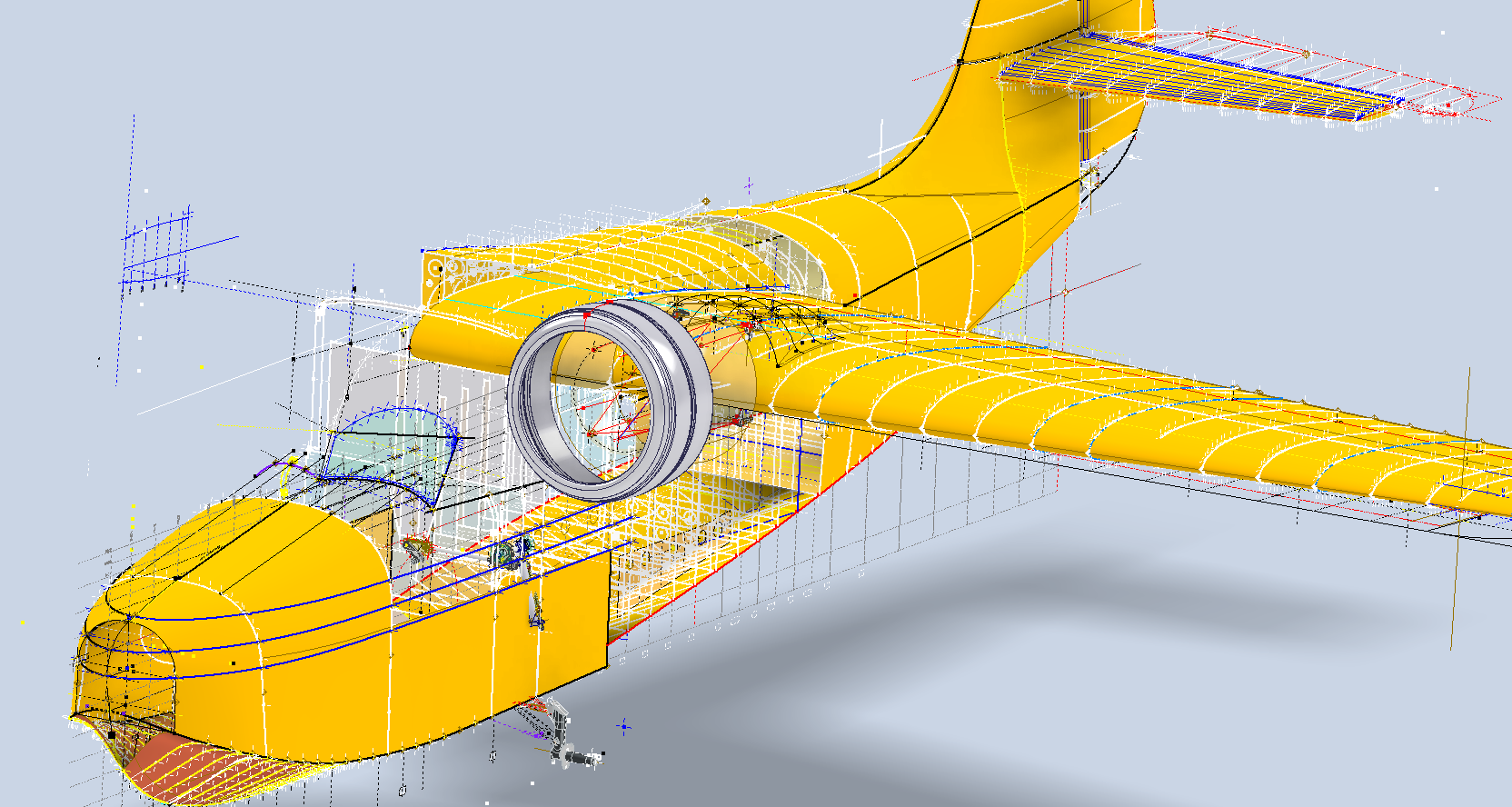
The SU-31 model displayed here is a surface model derived from the main assembly. Since this is a part file containing all the surfaces, I can create solid parts suitable for the 3D printing process from any combination of these surfaces without affecting the main assembly. It is crucial to handle this as a separate entity, as the primary purpose of the main assembly is to accurately represent the real aircraft.

The Grumman Goose study is still a work in progress. The fuselage lines are displaying some small misalignments, which are due to the original dimensions being in inches, accurate to 1/32″, which, for manufacturing, is fine, but any imperfections do show in the CAD model. The SU-31, by comparison, was entirely generated mathematically, which resulted in a better CAD model. I did spend considerable time on the wing fillets with micro millimetre adjustments to improve the surface curvature and continuity.

Having explored the 3D printing options, I am now ready to move to Phase 2 to determine the ideal scale for the model and thus the selection and installation of the RC equipment. The following 3-view shows the overall dimensions for reference.

Update 10 Nov 2025:

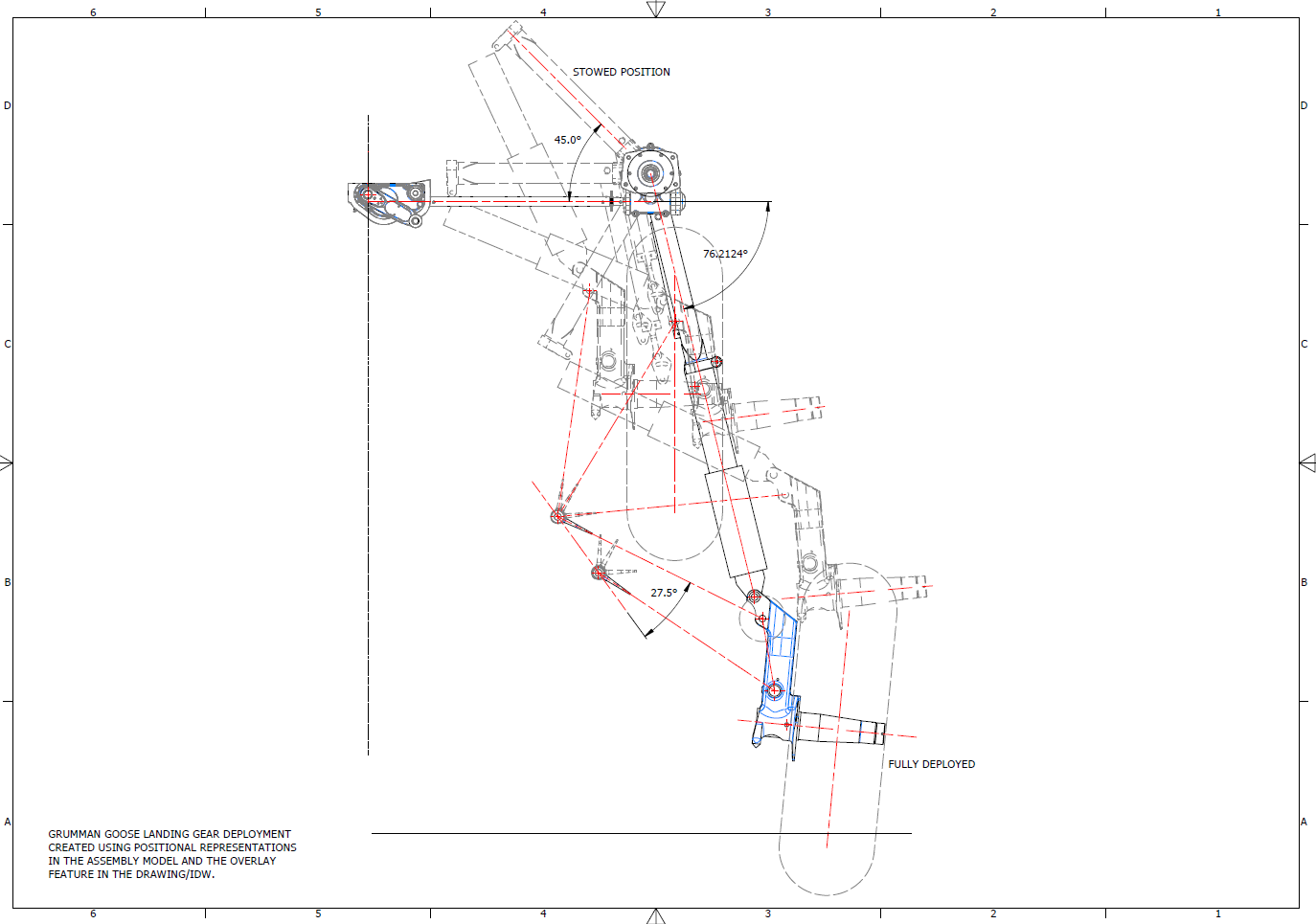
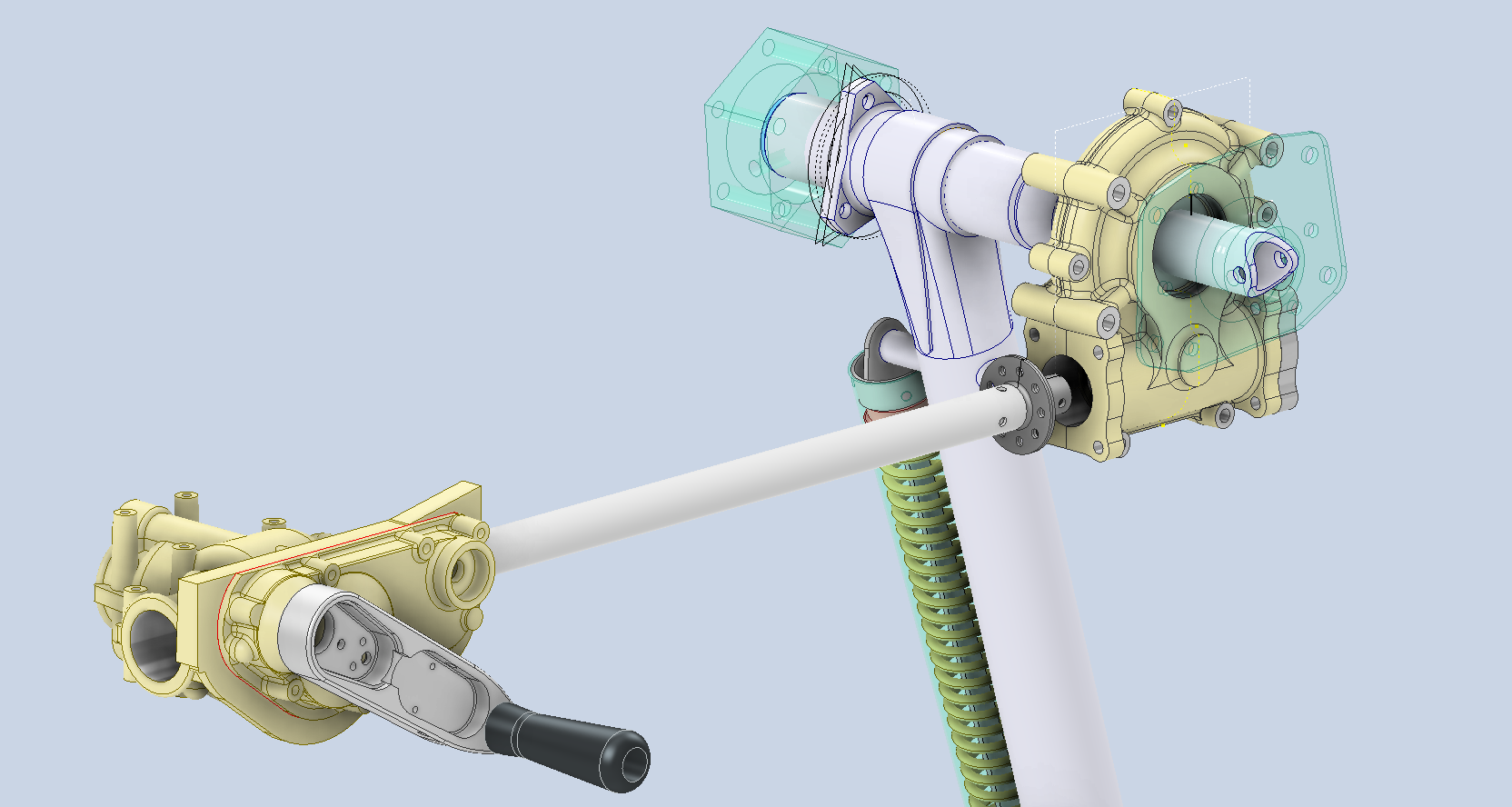
I have converted the surfaces into solid parts and subdivided them as shown below. The divisions for the fuselage are still pending until I finalise the choice of RC gear. I am still undecided on the Landing Gear; hopefully make a decision on that shortly.

Support Phase 2 Development:

To date, I have only ever built gliders with basic controls for flight…I actually designed my own glider at one stage. I have never built a powered RC aircraft, so this project is going to be a challenge.

If you would like a copy of the SU-31 CAD model in the original Inventor IPT format and IGES, I would really appreciate a small donation of £7 to help me out with my research work. These research projects are very time-intensive and expensive to produce, so this is a small price to pay for probably the most accurate SU-31 model available.

All I ask in return is your feedback and comments on your SU-31 RC project.

Paypal preferred; PAYPAL LINK, and I will send you the download link on receipt. Please also include an email address to which I will send the links.

As usual, comments and inquiries to hughtechnotes@gmail.com

Technote: 3D Printing-My Perspective

Technote: 3D Printing-My Perspective

Recently, I acquired the Elegoo Centauri printer, and I would like to share some details about my experiences using it for aviation projects. When I received this printer, it actually sat in its box for about a week, as I was not quite ready to deal with the vagaries of FDM printing until fate intervened. I was also swamped with updates to the Grumman Goose and FM2 ordinate studies alongside development of the P-47. I didn’t really have much time for anything else.

Then the unexpected happened: my computer suffered a catastrophic hard drive malfunction. I opted to send the hard drive to a specialist company for data recovery; though technically I could have done this myself, the data was too important. So, having time on my hands, I set up the Elegoo Centauri and did some 3D printing.

I have been using resin printers for a few years, but I have never tried FDM printers. I used to believe that resin printing was the ultimate form of 3D printing when it came to dimensional accuracy and surface finishes, which FDM printers couldn’t match. However, I now realise I was mistaken!

This Elegoo Centauri is, quite frankly, a really good printer, a bargain at less than £300.

As I had an old laptop, I was still able to access my email and online accounts, but running any substantial software was out of the question on an antiquated version of Windows. So what I did was send CAD files from my online backup to my son-in-law, and he would slice them for me and send me the G-code for printing. This was sufficient for me to get started and explore the vagaries of FDM printing. Later, of course, when I got my hard drive sorted and my computer back up and running, I was then in a position to address several questions from my first foray, and this is what I will share with you today.

P-39 Airacobra – Planes of Fame:

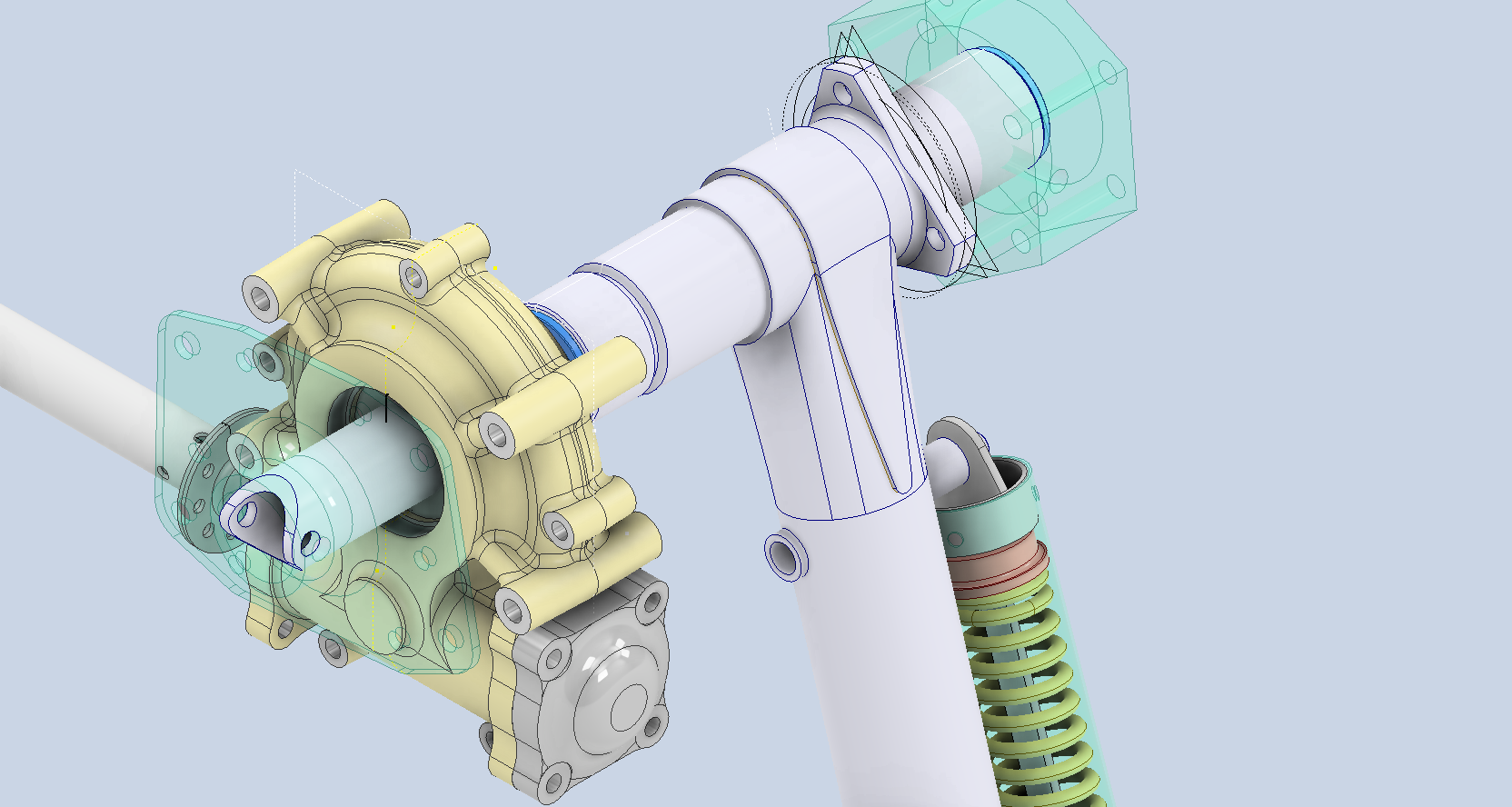
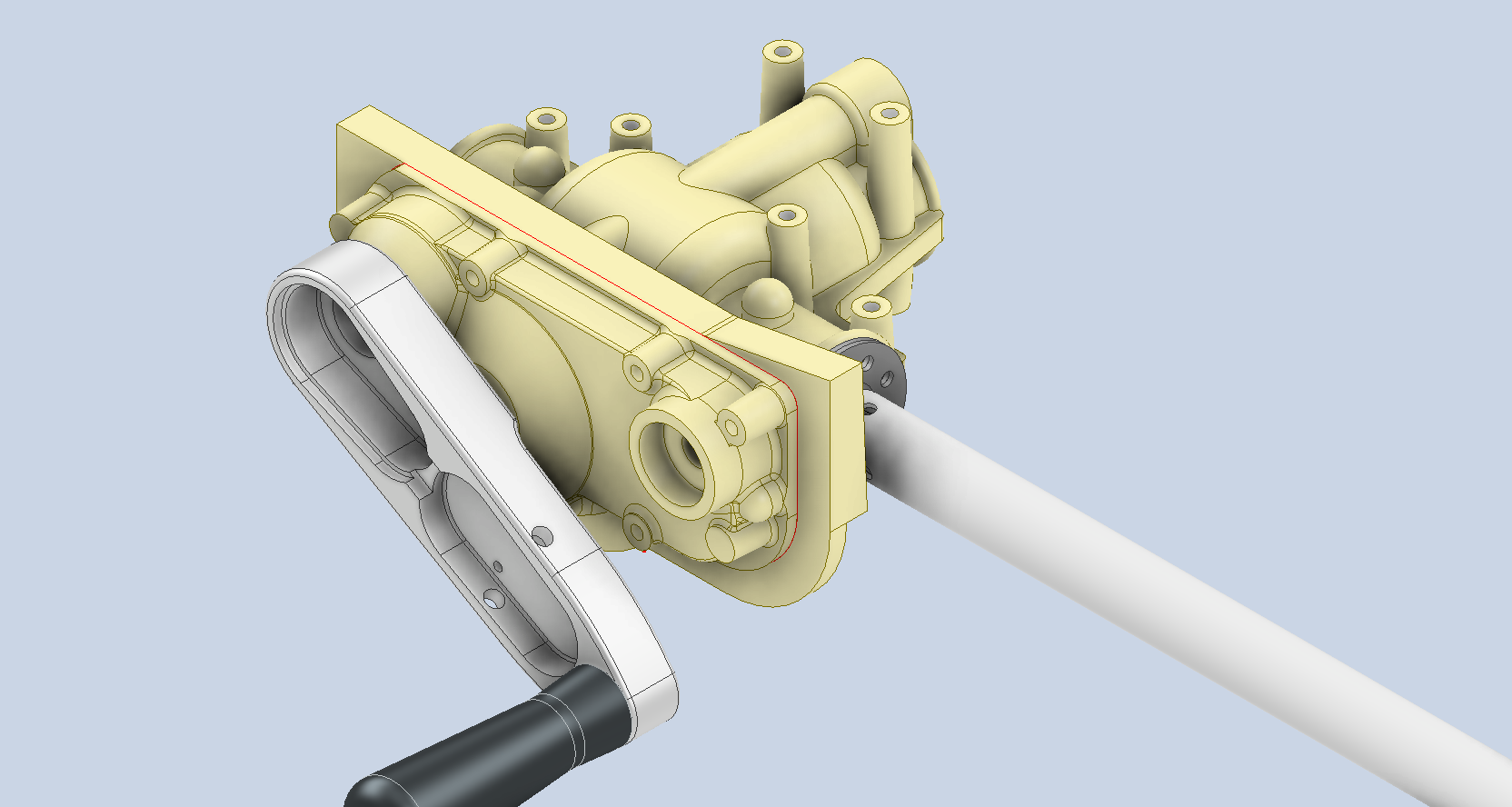
As many of you know, and as previously covered in various posts on this blog, I have been assisting Planes of Fame with their P-39 restoration project. Where possible, replacement parts are manufactured to the original material specification; however, in some areas, particularly the cockpit control units, it was decided to opt for 3d printing replica parts. This is a static restoration, so this is quite acceptable. Though I often wonder with the plethora of advanced printing materials, whether 3d printing could be an effective replacement for flight-worthy restorations.

One of the first parts I printed when I got my computer back in working order was the Exhaust Stacks. Previously, I have had a post already on this, but the reason why I decided to print this was to explore metallic finishing options and acceptable material thicknesses.

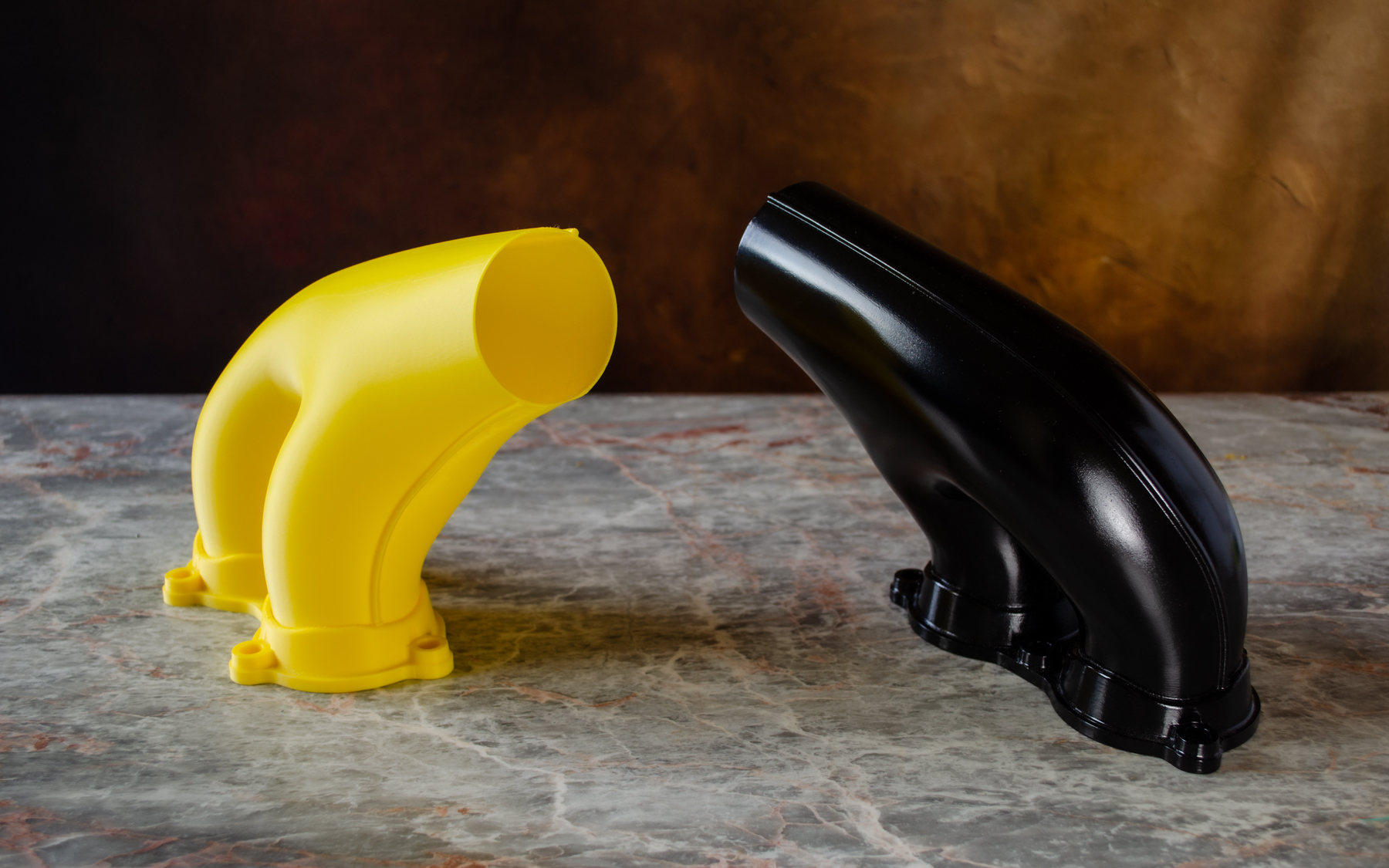
Planes of Fame has access to an industrial-grade 3D printing facility using engineering-grade filament, the results of which are shown in the second image above. I figured that there was no way I could replicate that level of quality on a budget printer, but surprisingly, the Elegoo Centauri did remarkably well just using PLA+.

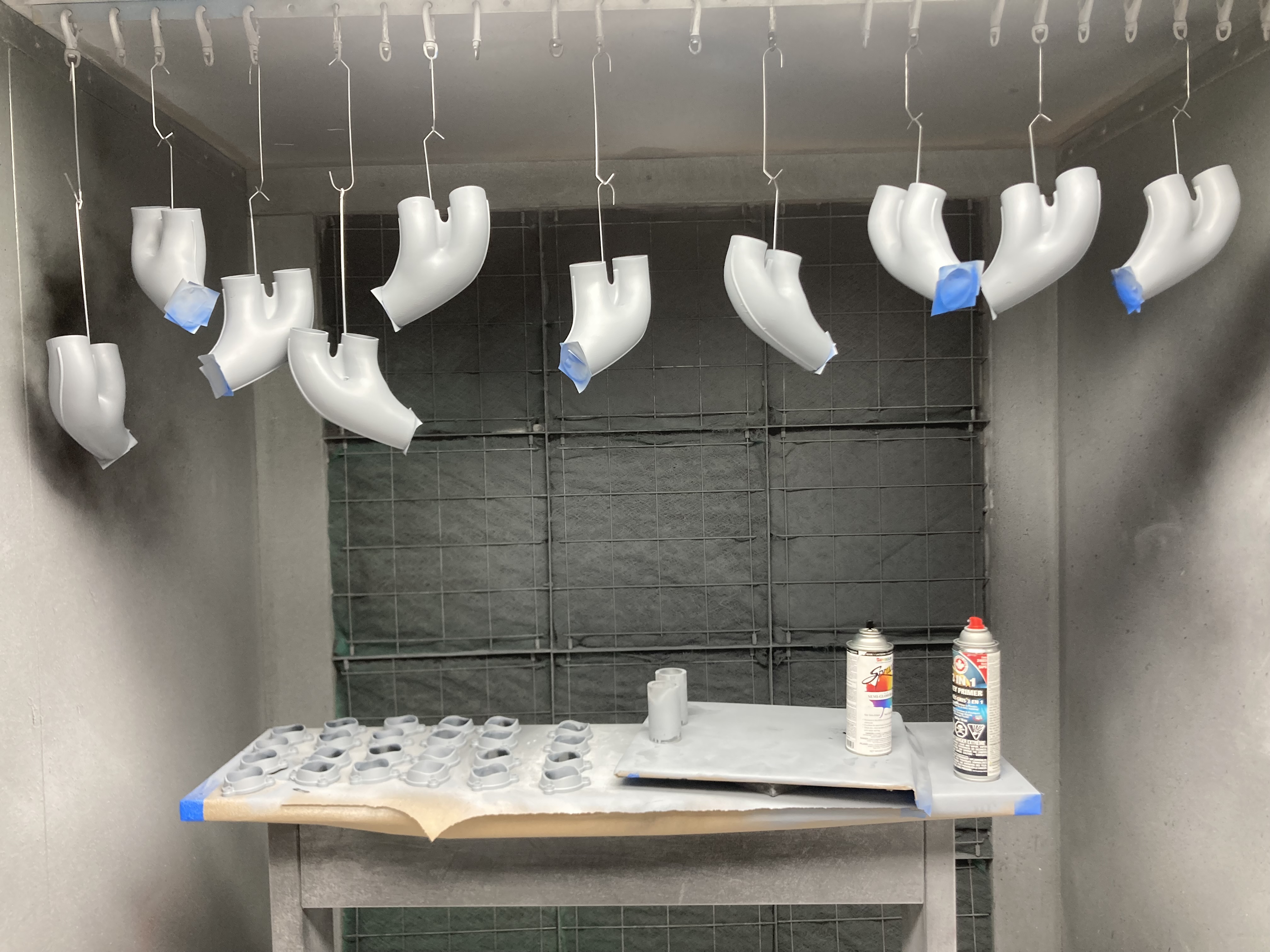
When I developed this CAD model, the exhaust wall thickness was set to 1mm…this was to make it easier for Planes of Fame to adjust the minimum wall thickness to suit the industrial printing preferences. I actually decided to initially print this at the 1mm wall thickness to see how well the Centauri handled thin walls. I was pleasantly surprised that, other than a few minor imperfections, the print came out really well. However, as this exercise was more about exploring metallic finishes, I decided to print it at 1.6mm wall thickness to give me some latitude for sanding. The black version in the first image shows the result of applying Filler Primer; 2 coats of sanding with 80, 120 and 320 grit sandpaper, and then applying 2 coats of black gloss. To achieve the metallic finish shown in the second image, I rubbed in graphite powder. There are several cosplay videos on YouTube showing how this was done on items like the Mandalorian helmet.

The surface should ideally be completed with a clear coat, but I don’t have any of that. The finish, I think, is quite dark and could be improved to be more aluminium-like if the paint were Gloss Grey instead of Gloss Black. I shared these details with Planes of Fame; I understand they may opt for the latter.

Custom Supports:

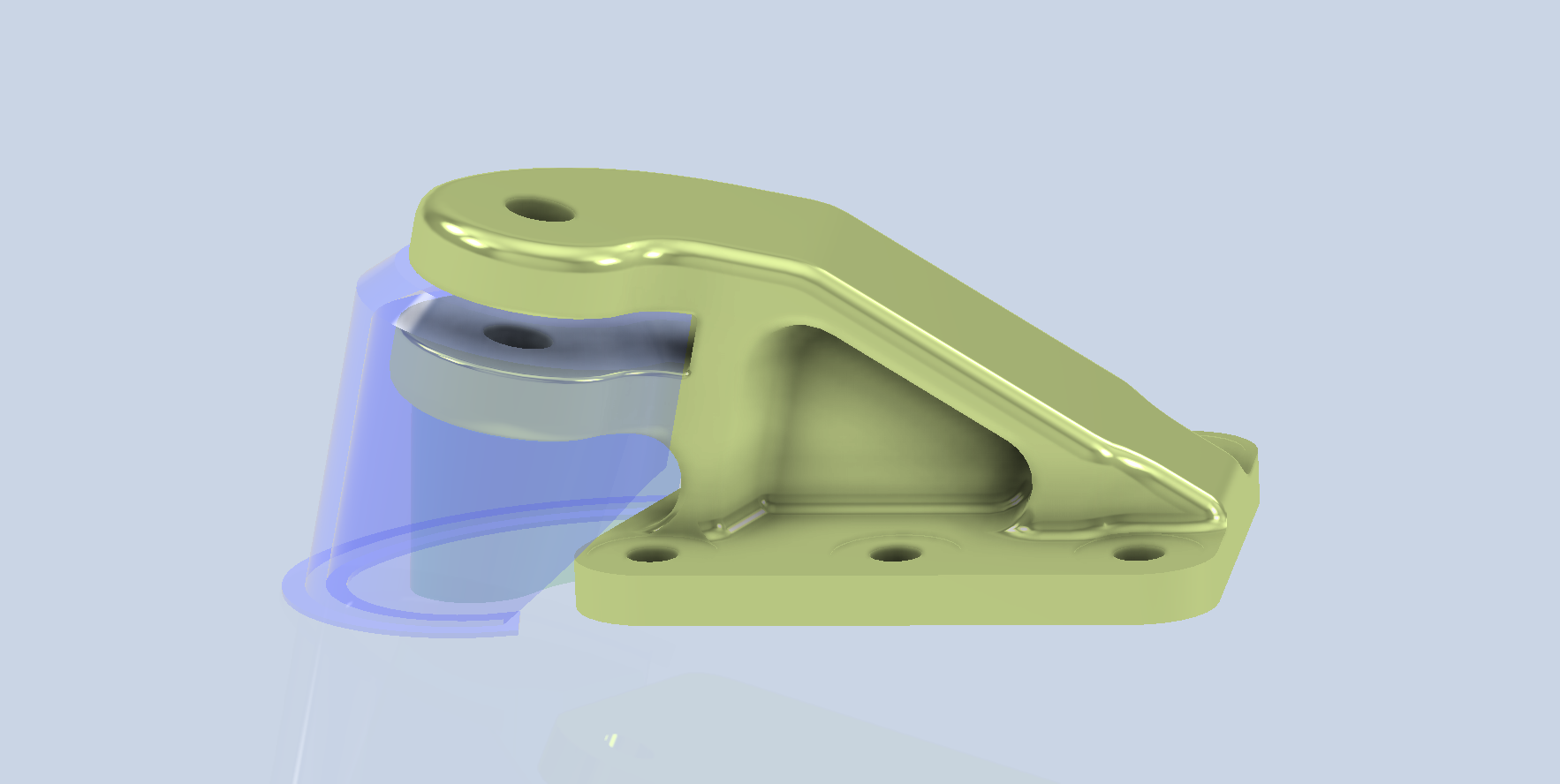
For the Exhaust stacks, I used the slicer Organic Tree supports, which were fine, but there was some stringing evident on the inside surface. I decided to explore options for custom supports instead to achieve better results. Again, working with a P-39 part, this time the pilot seat top support bracket. I should note that Planes of Fame has this same model; however, they will be making this from aluminium.

The first image shows the comparison between the slicer standard tree supports and using custom supports. Looking at the circular portion, the item on the left shows an irregular surface from the tree supports, whereas the version on the right shows a much more refined, consistent surface from using custom supports. The second image shows the custom supports created in CAD.

From my experimentation with generating custom supports that a gap of 0.24mm when printing at 0.12mm layer height works quite well. There is some consensus that one layer thickness would be an optimal gap, which may be applicable if the surface is planar to the base; however, in this instance, there is a small incline, and I find that 0.24 works well with the supports easy to remove.

I also did some experimentation with another model, completely unrelated to Aviation, and this was for my wind turbine project.

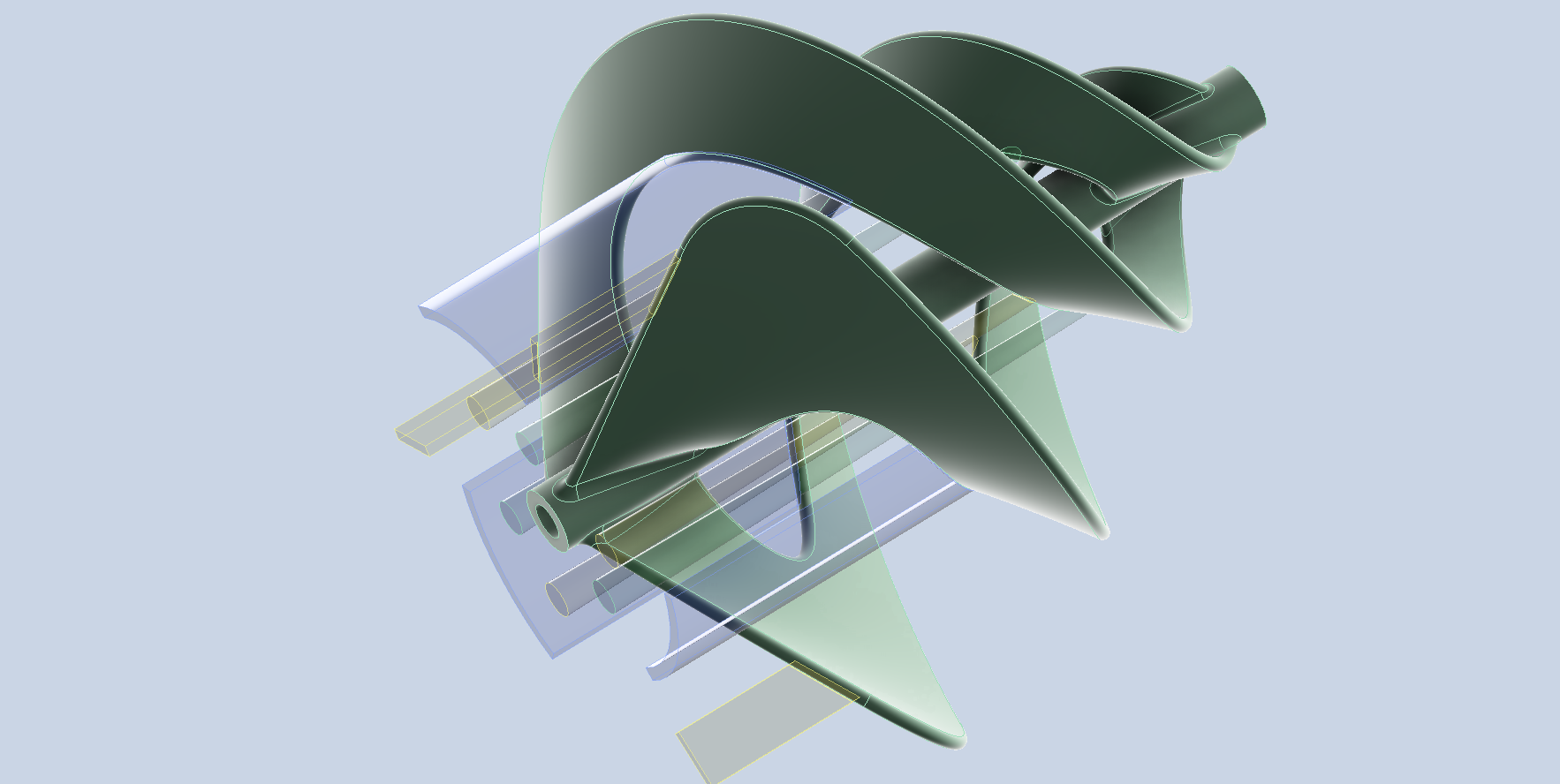
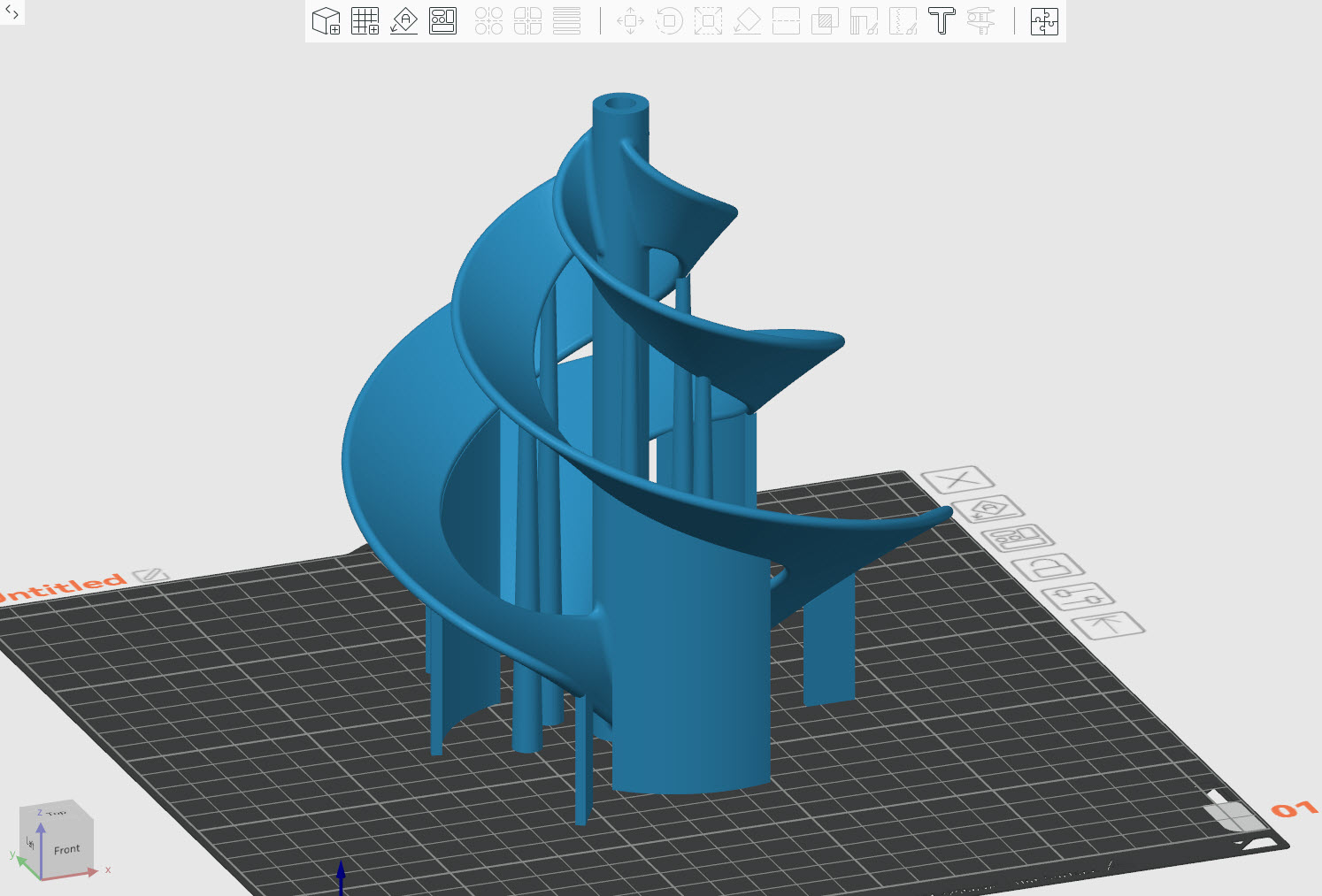
Supports are necessary when the threshold angle is less than 30 degrees. Additionally, I’ve included extra supports to enhance stability, as the model may flex during printing due to the thin blades. I often find that a combination of custom supports and standard tree supports works well on more complex models.

Minimum Wall Thickness:

I touched on this with the Exhaust Stacks, and though 1mm is the recommended minimum wall thickness for 3D FDM prints, you can go thinner. There is a setting in most slicers called “Spiral Vase” or similar. What this does is produce a print with a wall thickness equal to the nozzle diameter. I tried this with a surface model for the Vertical Stabiliser for the Grumman Goose at 1:10 scale, and it actually worked quite well.

The downside is that this setting ignores any internal ribs that may be in the model and only prints the outside wall. I imagine there may be some uses for this in aviation modelling, but to be honest, without internal rib supports, there is probably too much flex. I should note that layer adhesion remains good, and the surface finish is smooth.

I intend to explore workable solutions for achieving minimal wall thickness and thus reducing the weight of model RC aircraft. As my main line of work is compiling all the known key dimensional information for the various aircraft and presenting this information in a concise, accessible format and in CAD, I see this as a natural extension of these studies.

I already have several surface models (SU-31 and L23 Blanik) that can be easily scaled and adapted to produce accurate replicas for RC flight. The key to this is when scaling to then apply material thickness to the ribs, frames and surfaces that will be suitable for 3D printing whilst maintaining structural integrity with minimal weight. My current theory is that 2 x nozzle diameter for minimum wall thickness and 3 x minimal layer thickness may work.

My work on this issue is in the very early stages, and I will dedicate a specific post to this with my suggestions and samples of the end product.

Finally: Printing Dowels:

This is something I only ever did on my resin printer due to the possibility of snapping along the layer lines. However, there is a solution for successfully printing dowels on FDM printers. I tend to use dowels a lot for aligning individual parts of an assembly.

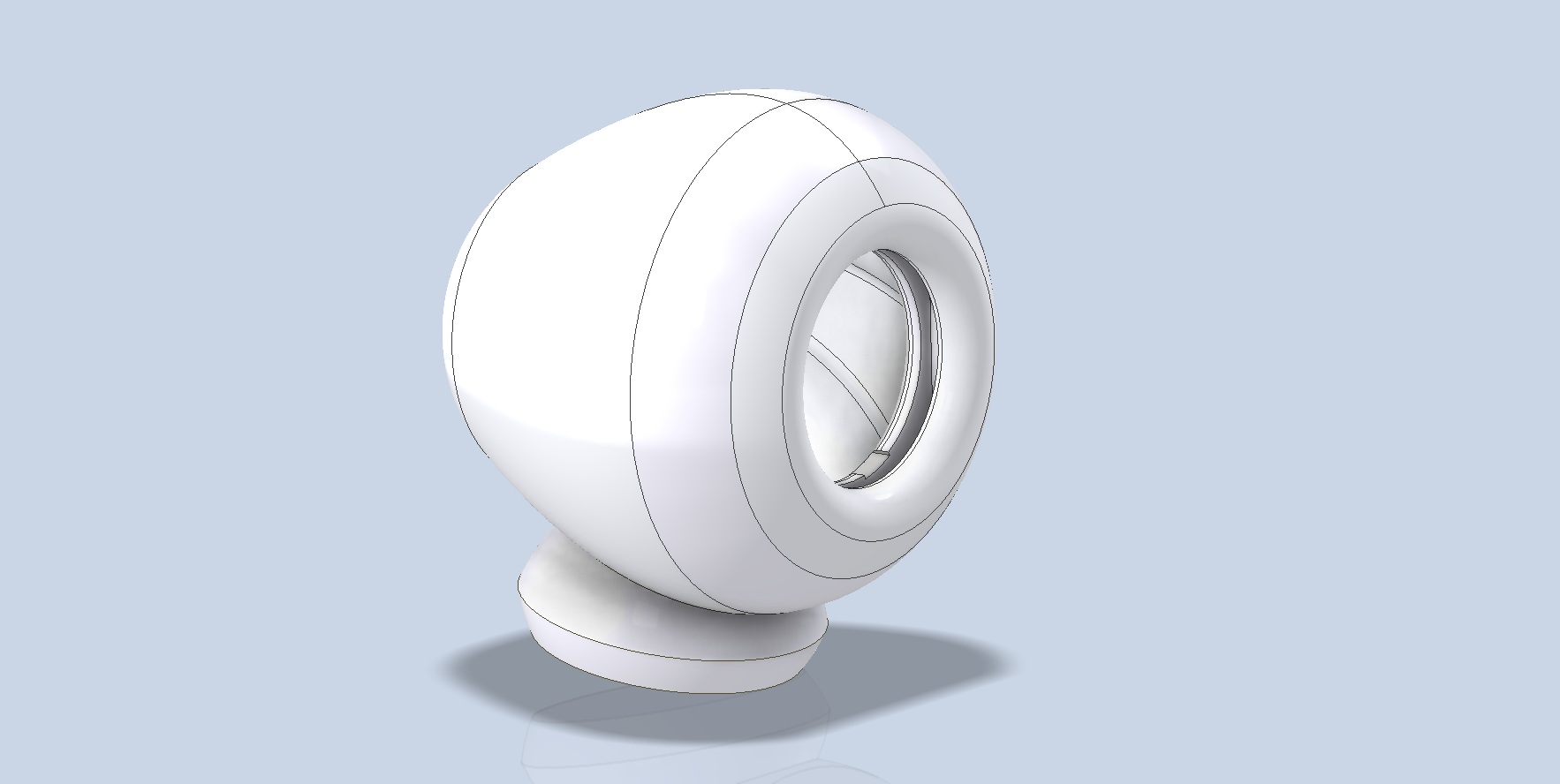
For my desktop speaker projects, the body parts are aligned using dowels. As you can see, the dowel has 3 flat sides which can then be laid flat on an FDM print bed to enable printing with layer lines longitudinal to the axis and thus preventing splitting.
F4F/FM2 Wildcat Progress Update

F4F/FM2 Wildcat Progress Update

The ordinate dimensional study for the f4F/FM2 Wildcat will now be ready in January. This will include dimensional information for all the rib, strut, and frame profiles fully documented in 3D CAD, 2D drawings, and Excel spreadsheets. Probably the most accurate dimensional study available.

In January I will be taking this project and the P-39 Airacobra to the next level. The plan is to fully 3D model in CAD all the primary structural components for the wings, flaps, ailerons, elevators, rudder, fuselage, empennage, cowl, and landing gear; and then produce a 3D printed scale model at either 1:15 or 1:10 scale. The F4F empennage is already partially fully 3D modeled in CAD which gets us off to a good start in the New Year.

These models will be printed on an Elegoo Saturn MSLA printer capable of producing a 0.02mm accuracy. The resin I will use will likely be PLA with a 10% mix flex resin to minimize brittleness. This is an ambitious project and will take most of the year to complete.

Many of the components are thin-walled profiles which may have to be adjusted to suit the scale of the printed model. Some testing will be done to find the minimum thickness to achieve model integrity and maintain dimensional accuracy.

This project is something I have been thinking about for a long time which is only now possible with the incredible accuracy achievable by the latest 3D printing technology. The final 3D CAD model; suitable for 3D printing; will NOT be available publicly but I am open to the idea of private sponsors.

As usual, all inquiries to hughtechnotes@gmail.com

3D Printing: P-51 Tailwheel

3D Printing: P-51 Tailwheel:

I’m back after a few months dealing with a difficult period of my life. I would like to take this opportunity to thank those that stepped up to the challenge and supported me through this time.

Many moons ago I developed a series of CAD models for the P-51 Mustang Tailwheel mechanism initially to study the mechanical operations and also to clarify an otherwise obscure area that is not clearly defined on the NAA drawings.

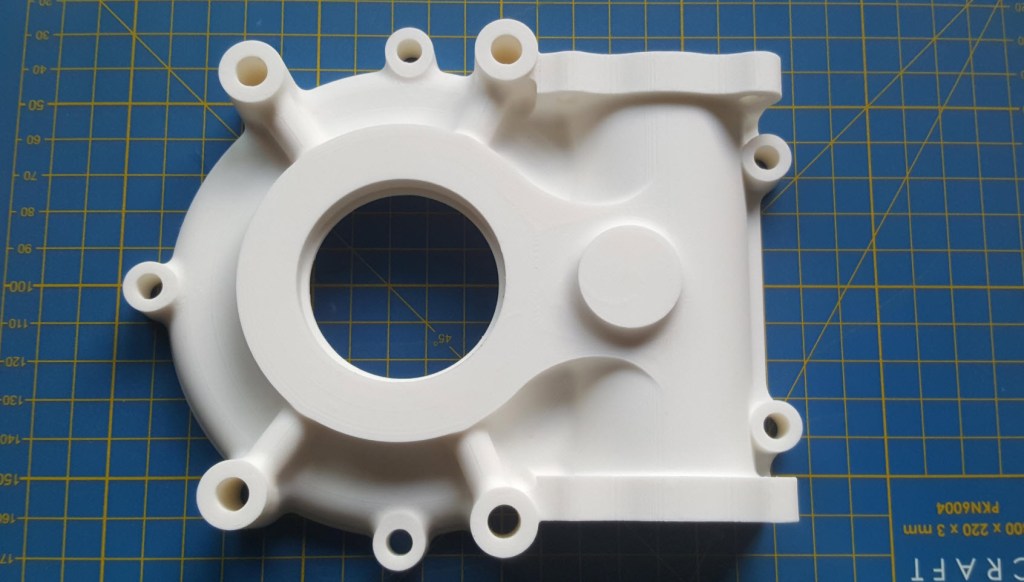
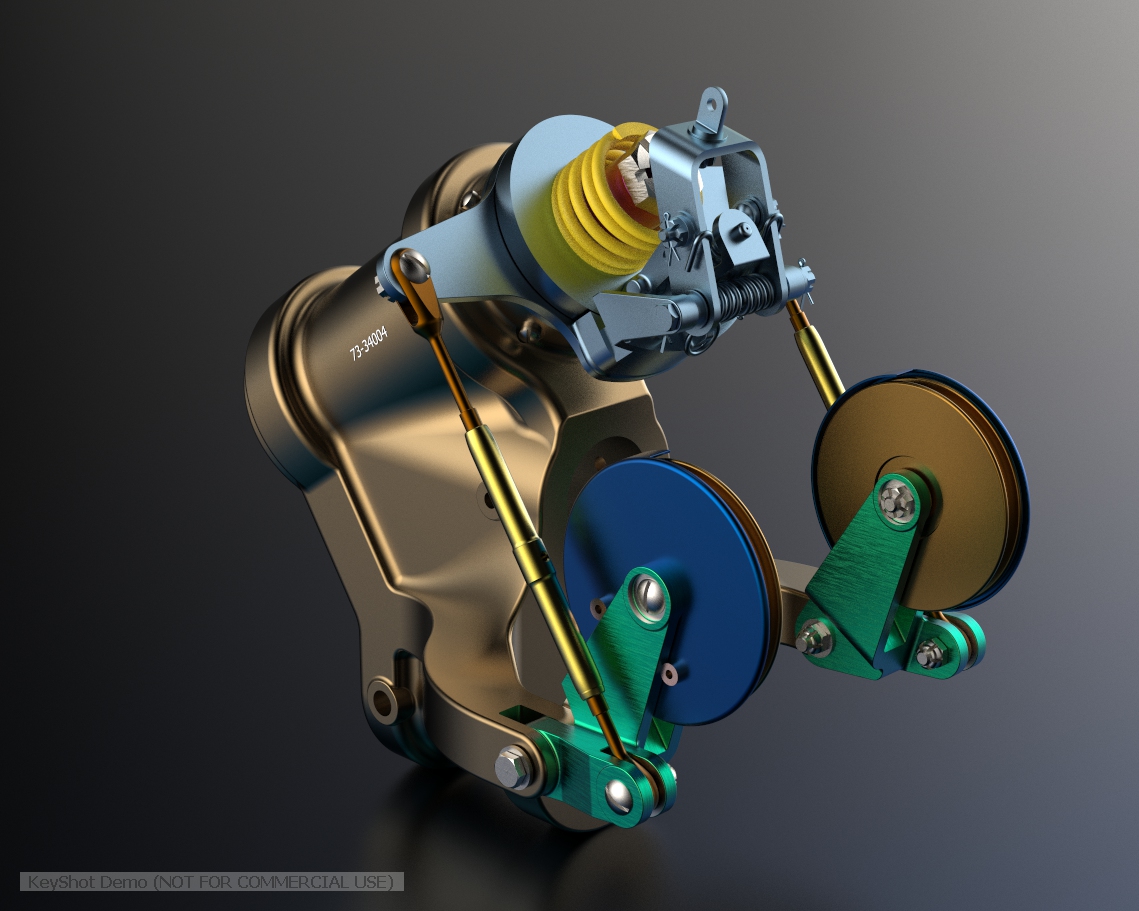
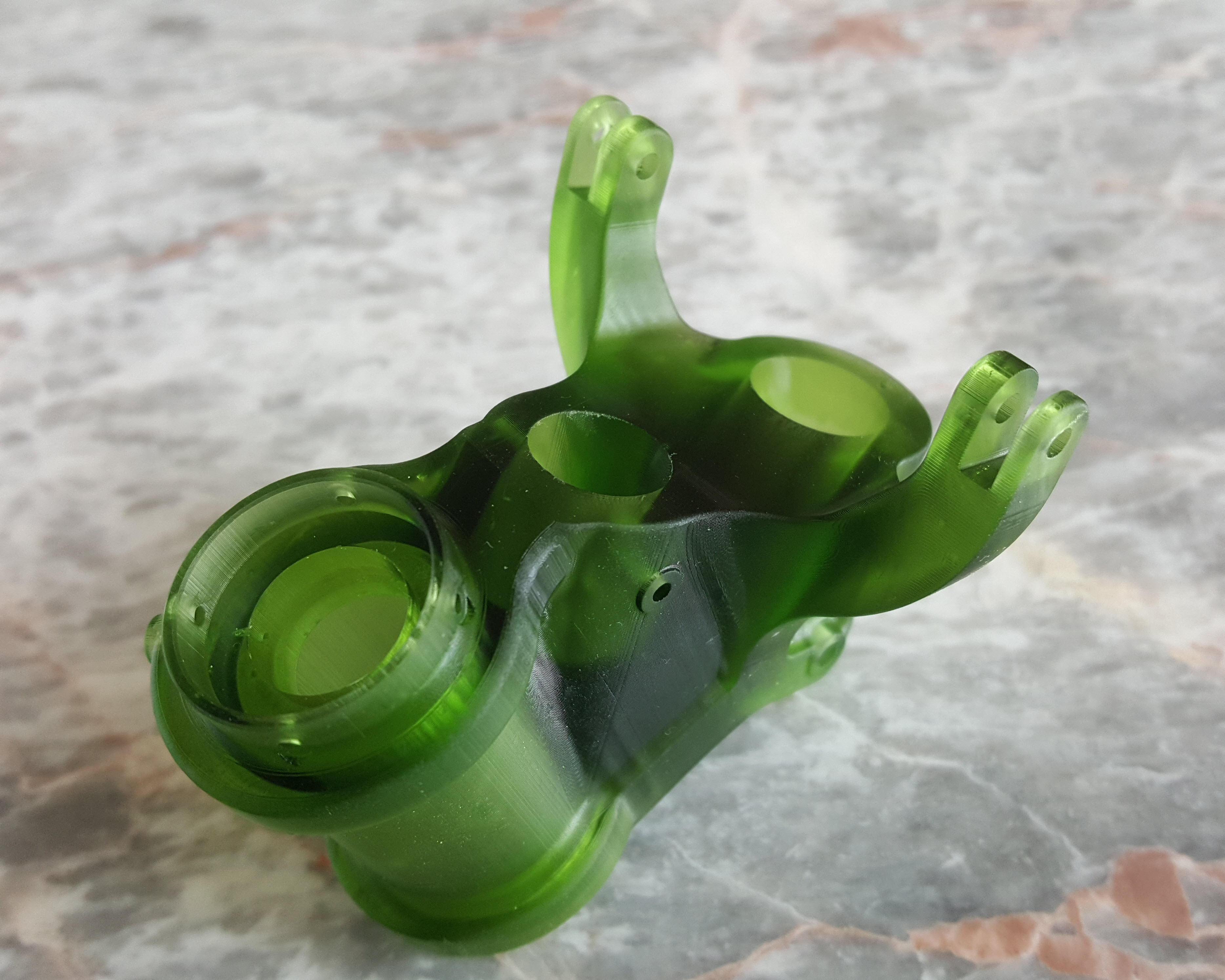
At the beginning of 2021 I had the good fortune to obtain an Elegoo Mars pro 3D printer which just sat in the cupboard until now. Getting my life back on track I unboxed this and setup for my first print which invariably had to be one the many CAD models from my research. The part selected is the Housing for the Tailwheel spindle. Part # 73-34004.

These parts are accurately modeled from the NAA drawings so I was unsure how well they would print at 1:4 scale particularly the thin wall elements.

The first image shows the preparation using the Lychee Slicer program with the layers set to 0.05mm. I added a generous amount of supports to maintain the print integrity using the Auto support feature with a few manually added for good measure. The Resin I used was the Elegoo Water Washable Green which has worked very well. I am rather pleased with this print as I had read many horror stories of problems that folks encountered with this type of immersive printing which made me a tad anxious before I eventually decided to take the plunge.

This printer is capable of printing with a layer height of only 0.02mm which is quite extraordinary but as it took 4 hours to print this model at 0.05mm I doubt if I will venture to printing at a finer pitch as the time would be excessive. I don’t plan to print all the Tailwheel components as my budget for resin is limited but I will print a few more to determine the limitations; if any; of resin 3d printing.

Talking about the future I should note that I am currently sourcing new material for the P-51 Mustang and hopefully to start a brand new project for the F7F Tigercat.

If you are interested in the Tailwheel models check out the bottom section of this post for details.

On a personal note it is good to be back working on these projects and please do not hesitate to comment or drop me a line with any queries. hughtechnotes@gmail.com.