De Havilland DH82c Tiger Moth

 De Havilland DH82c Tiger Moth:

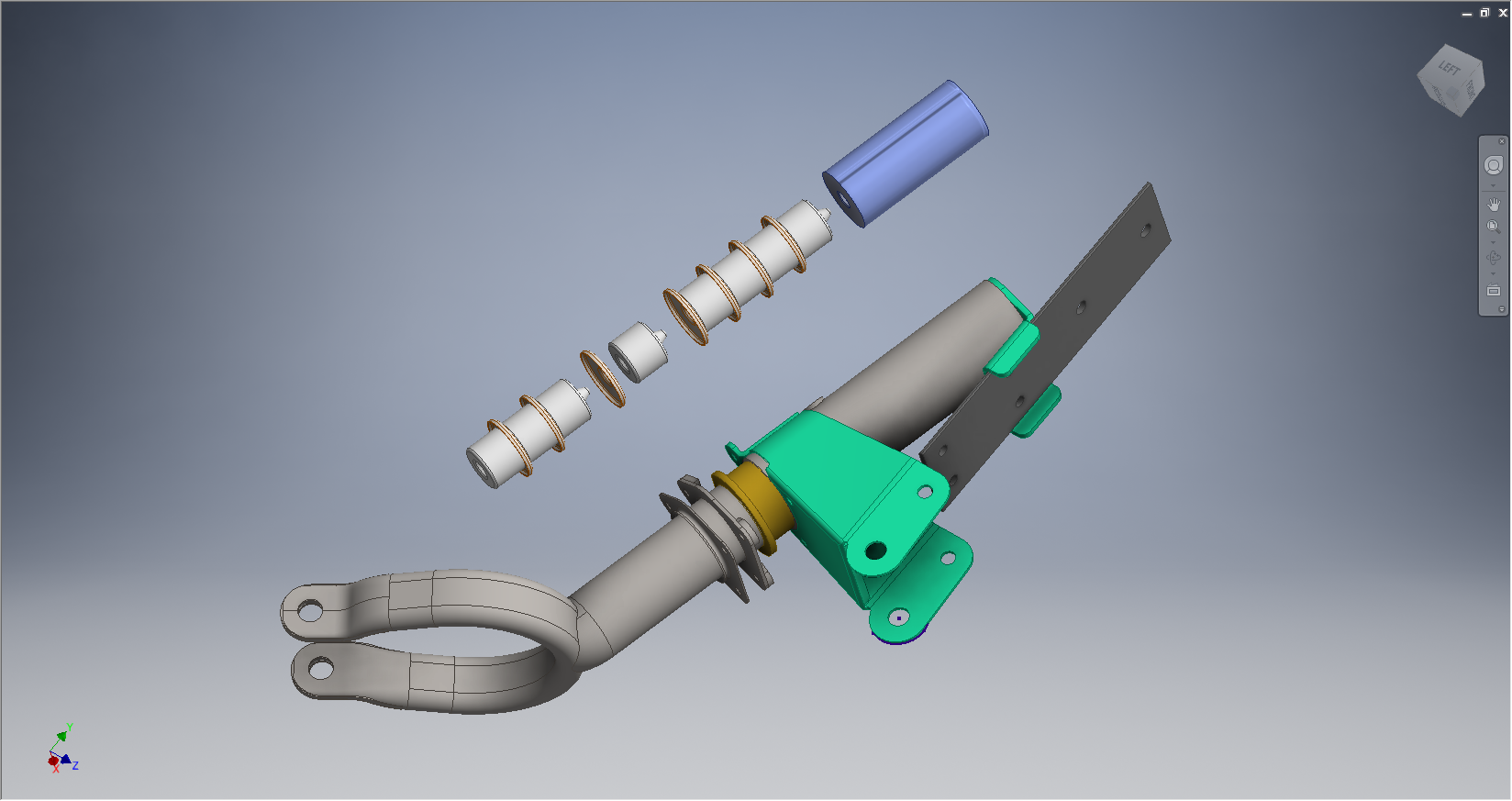
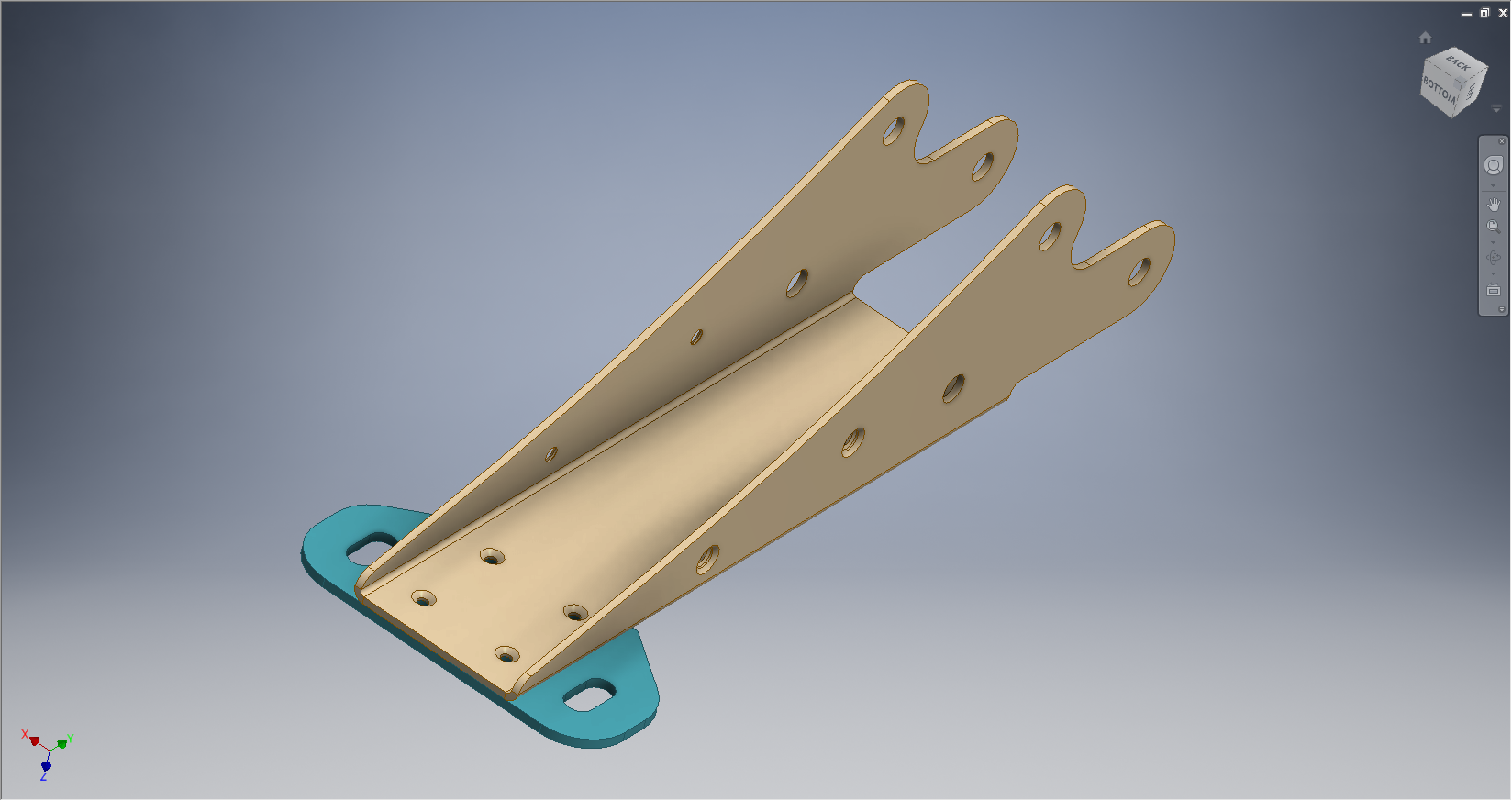
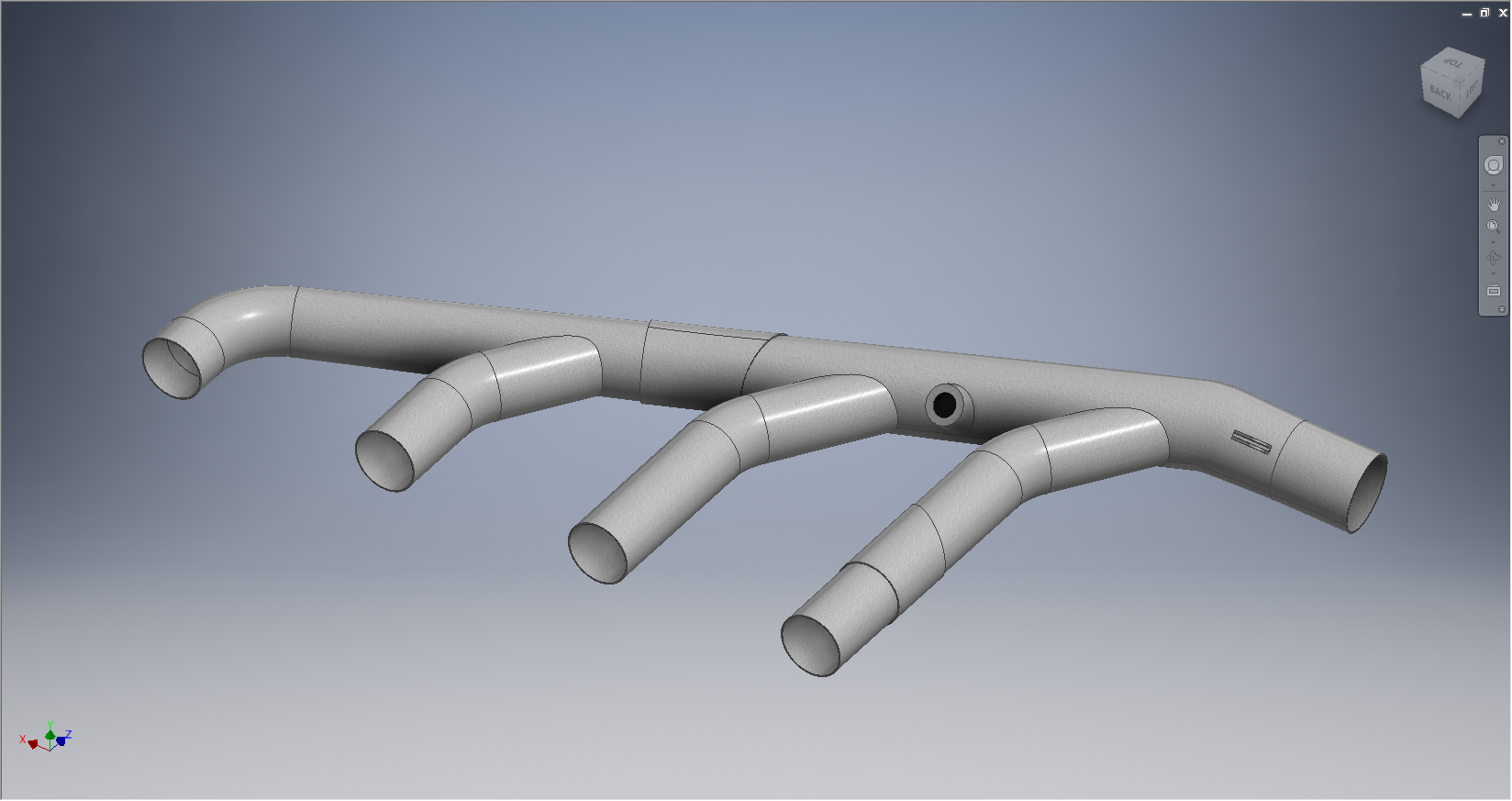
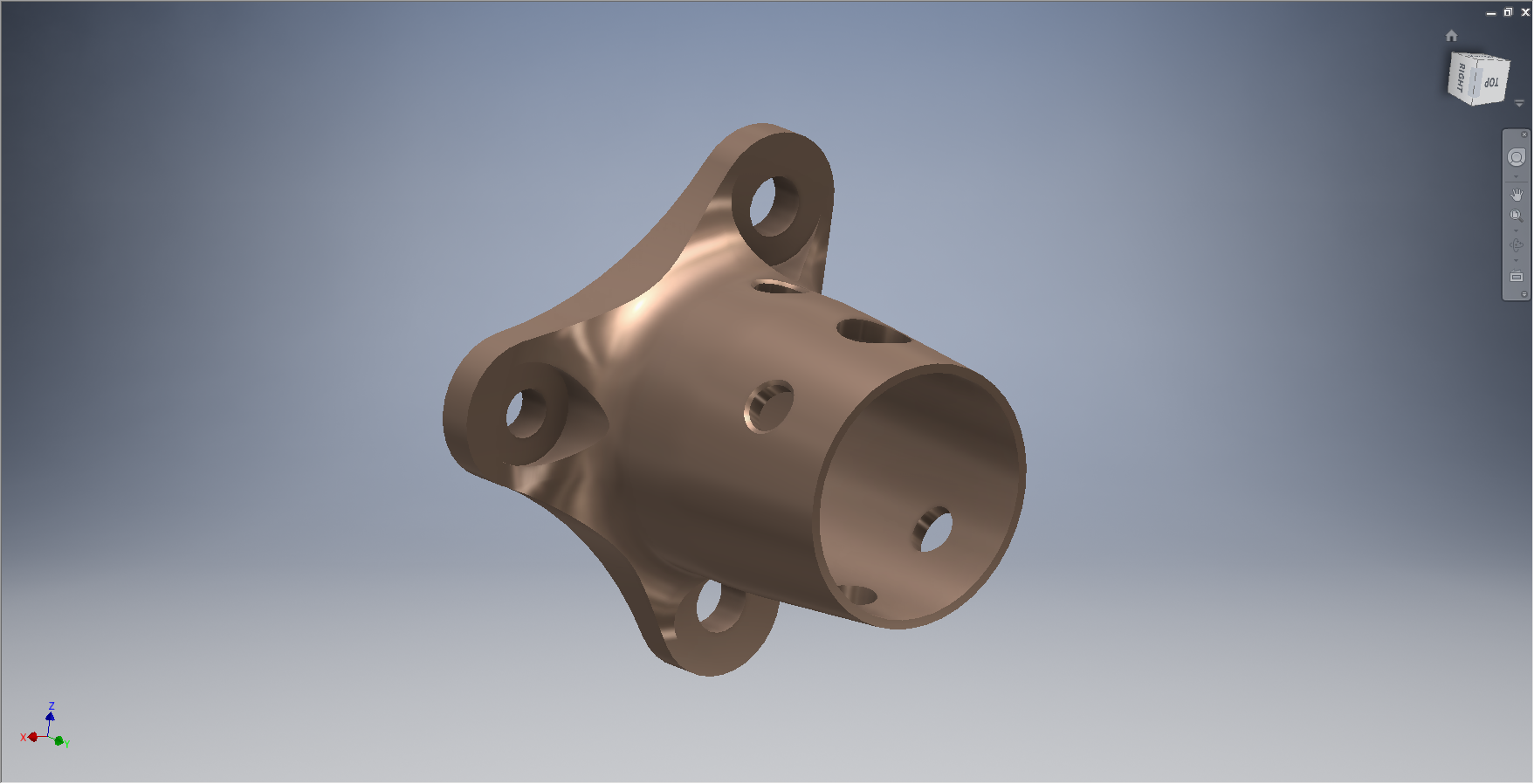
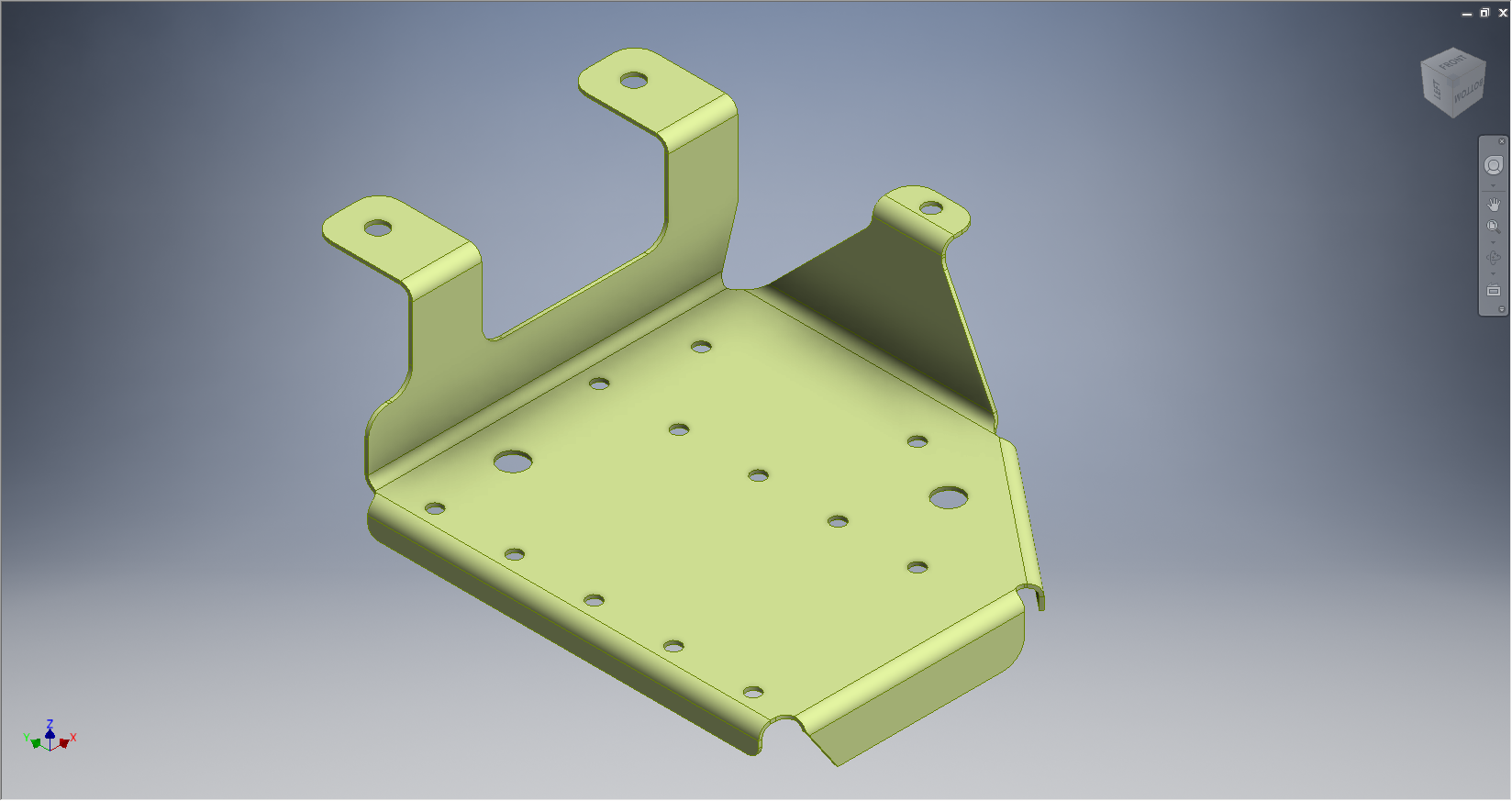
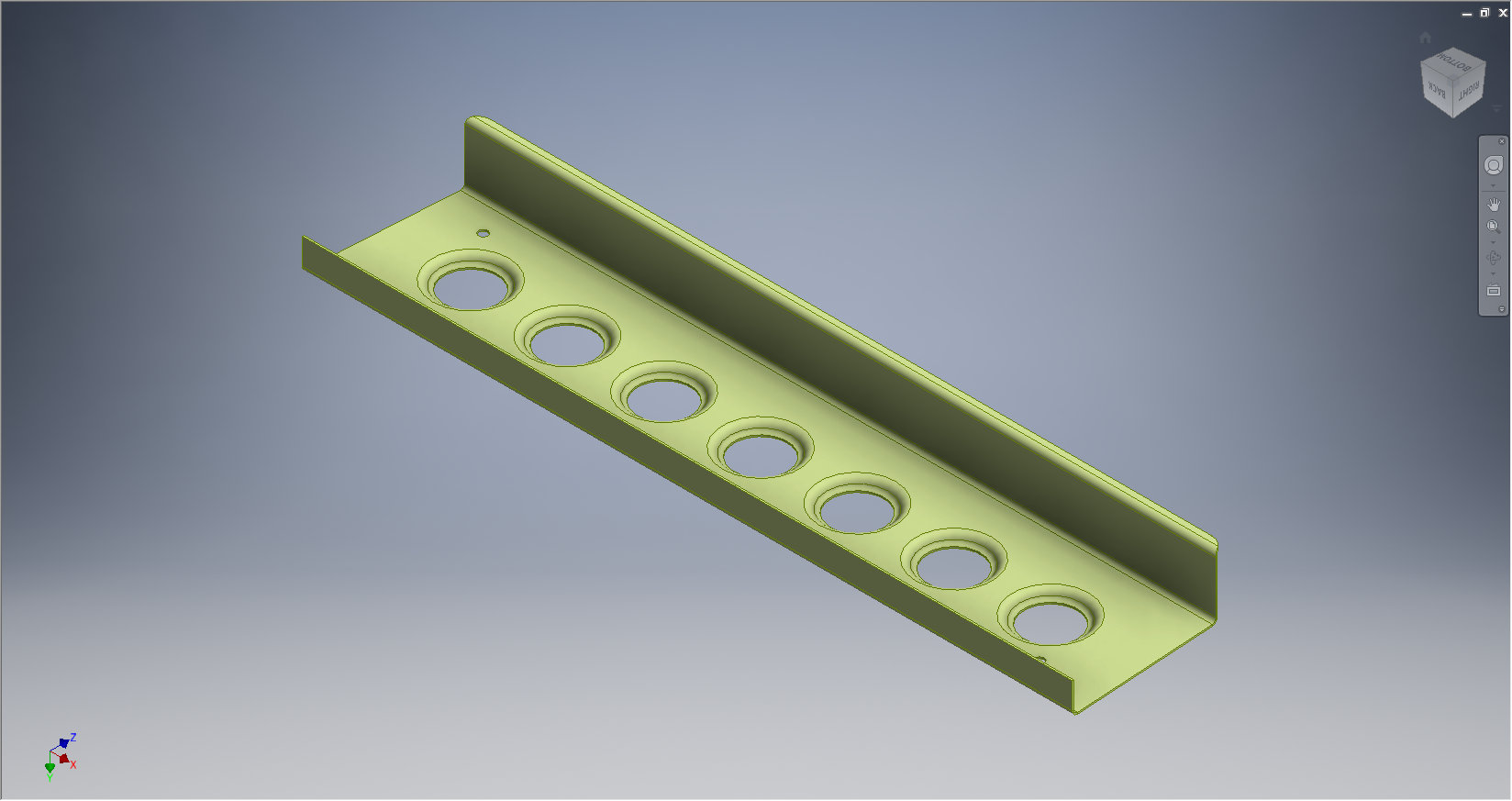
This is a selection of parts developed in 3D CAD for the Tiger Moth DH82c (Canadian variant). I had hoped that the original drawings and corresponding data sets would be sufficient to actually develop the entire aircraft, unfortunately I was stumped by the fuselage dimensions which remains incomplete. A few key dimensions were illegible on the drawing copies I had and although I tried to source legible information from various places I was unsuccessful.

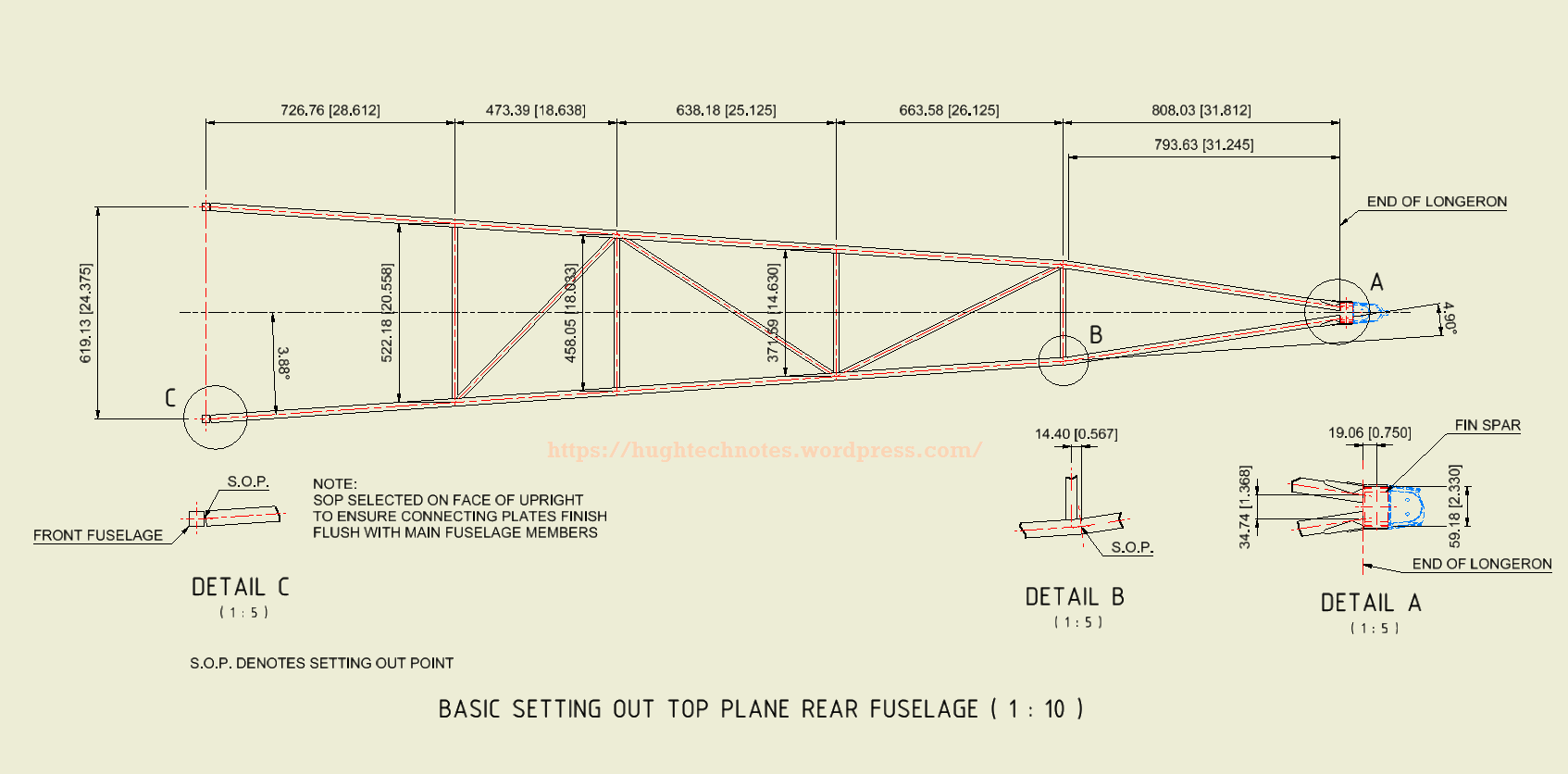
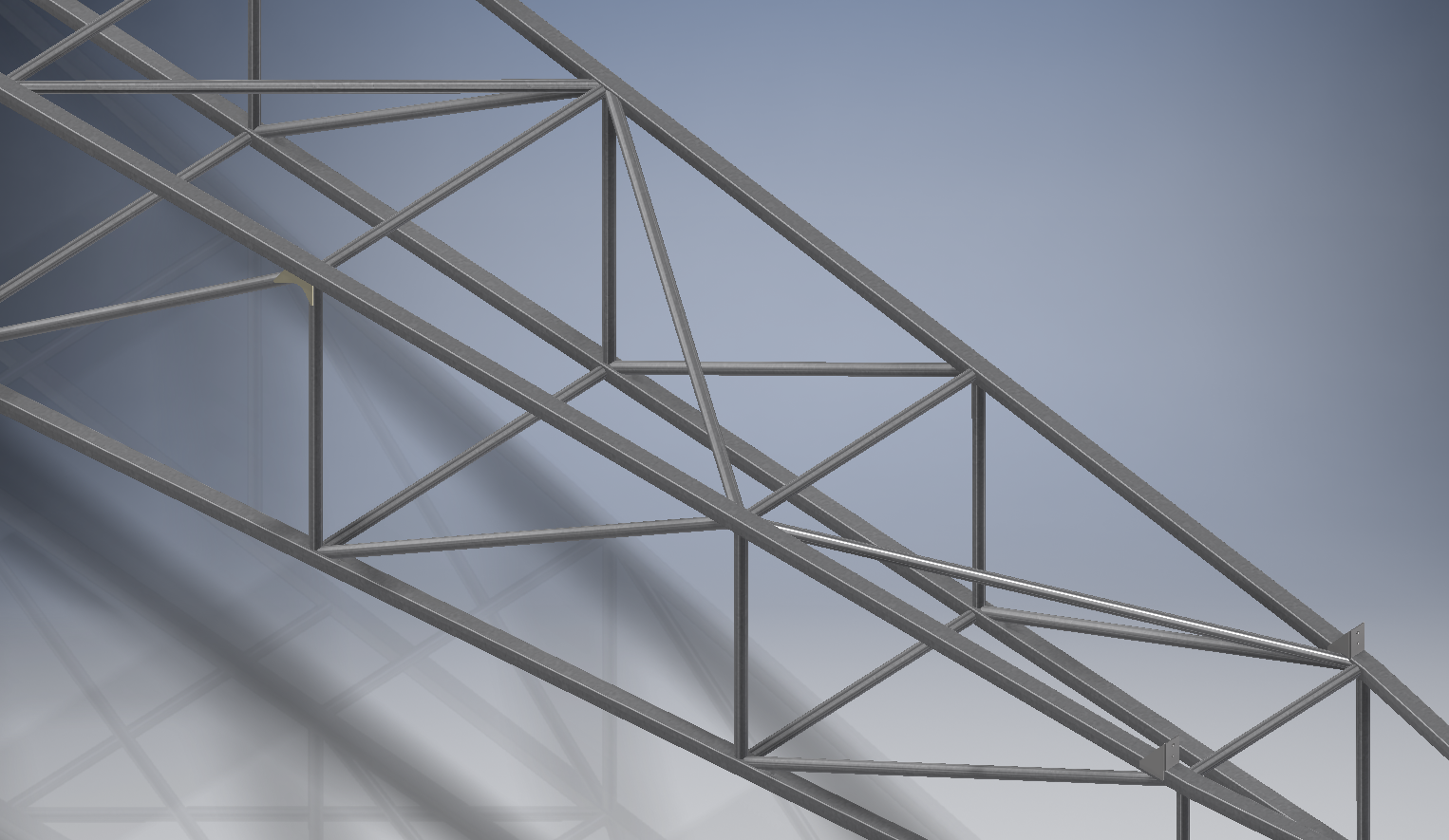
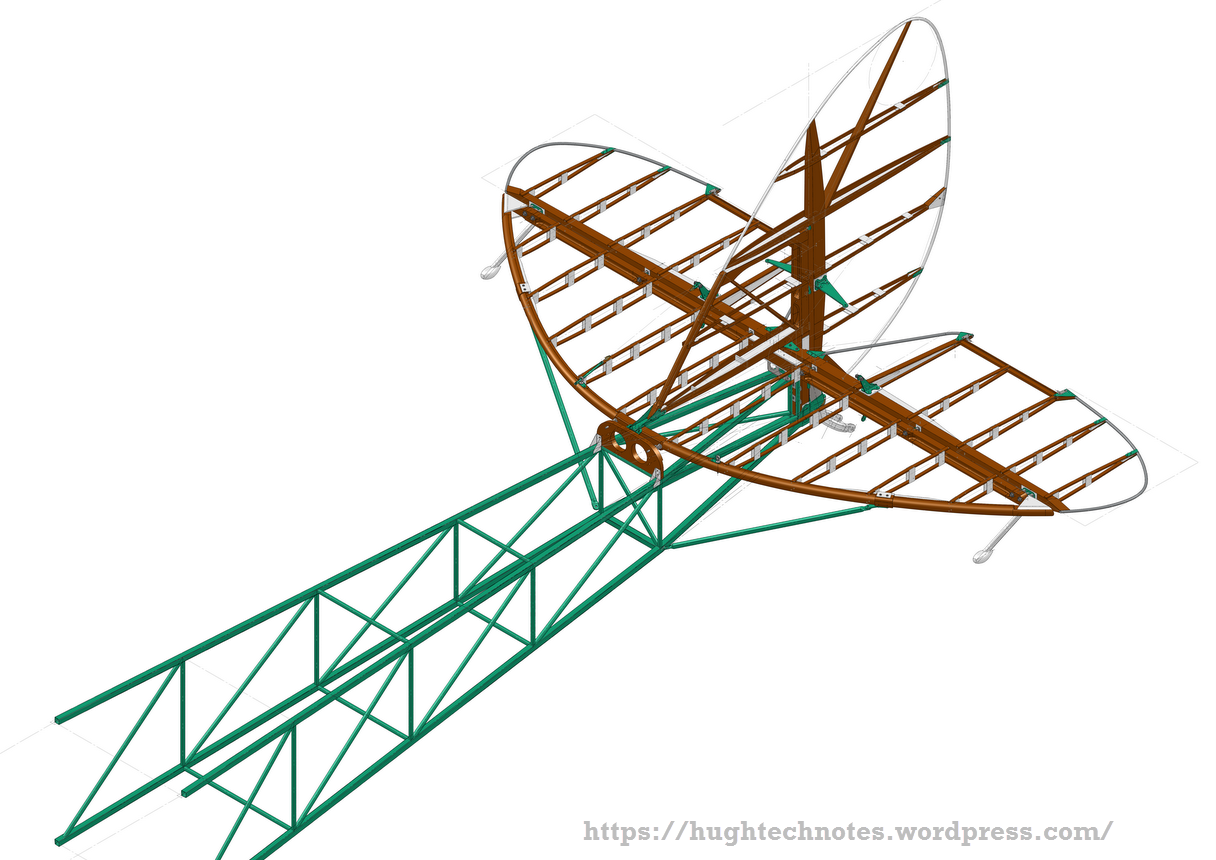
Tiger Moth FuselageI have though interpolated a solution for the rear fuselage based on available information that seems to satisfy the requirements for manufacture and assembly.

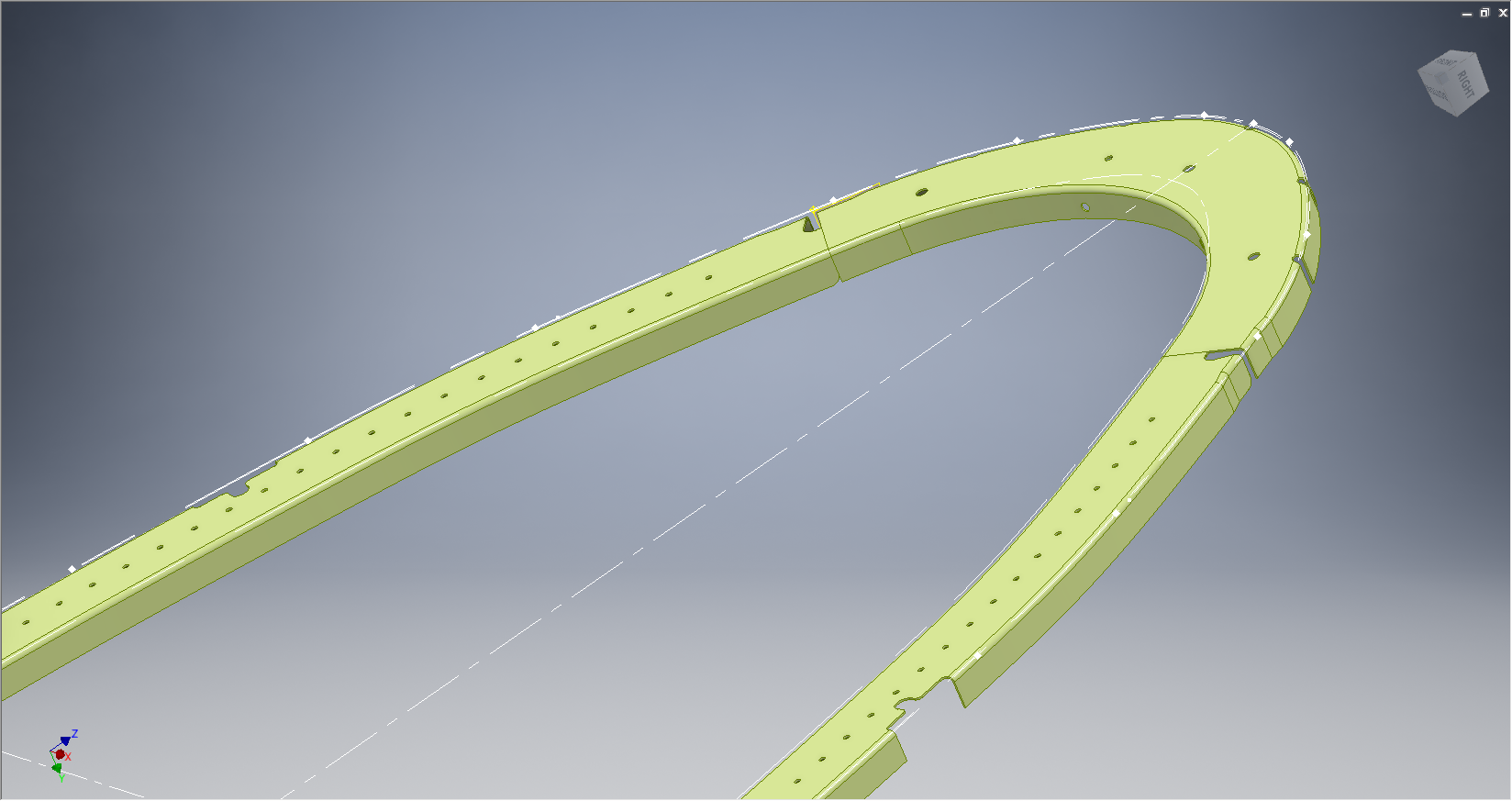
DH Moth fuselage WIPThe archive drawings suggest that the setting out point between the front fuselage and rear fuselage members is coincident on the centre line. However this would not facilitate a flush connection with the bent plate connector, so I have offset the SOP to the face of the front fuselage upright, which does. Notice too the minor adjustment to the angles.

These setting out dimensions are not verified and the drawing should not be used for any other purpose than for reference. I don’t normally publish stuff without verifying the data but this fuselage has bothered me for a while so I thought it may be prudent to publish what I have in the hope that someone may provide the verifiable data I would need. The model shown is work in progress.

This has proved to be an interesting project and I progressed quite well with the tail and various other elements of the design. I hope to return to this project at some later date as it is a fine aircraft with many examples still flying.
2015-07-31_13-30-562015-07-31_13-27-37

2015-05-31_23-16-23 2015-05-31_23-15-59 2015-05-31_23-15-37 2015-05-31_23-15-04 2015-05-31_23-14-48 2015-05-31_23-14-27

H22414-0313 H22143-0309 Tiger Moth Axle Collar 2015-08-30_03-47-08

2015-08-30_04-08-18 2015-08-30_04-13-20

2015-09-18_03-45-42 2015-09-18_03-45-12

North American P-51 Mustang: NAA Profiles

NAA P-51 B/C/D Mustang:

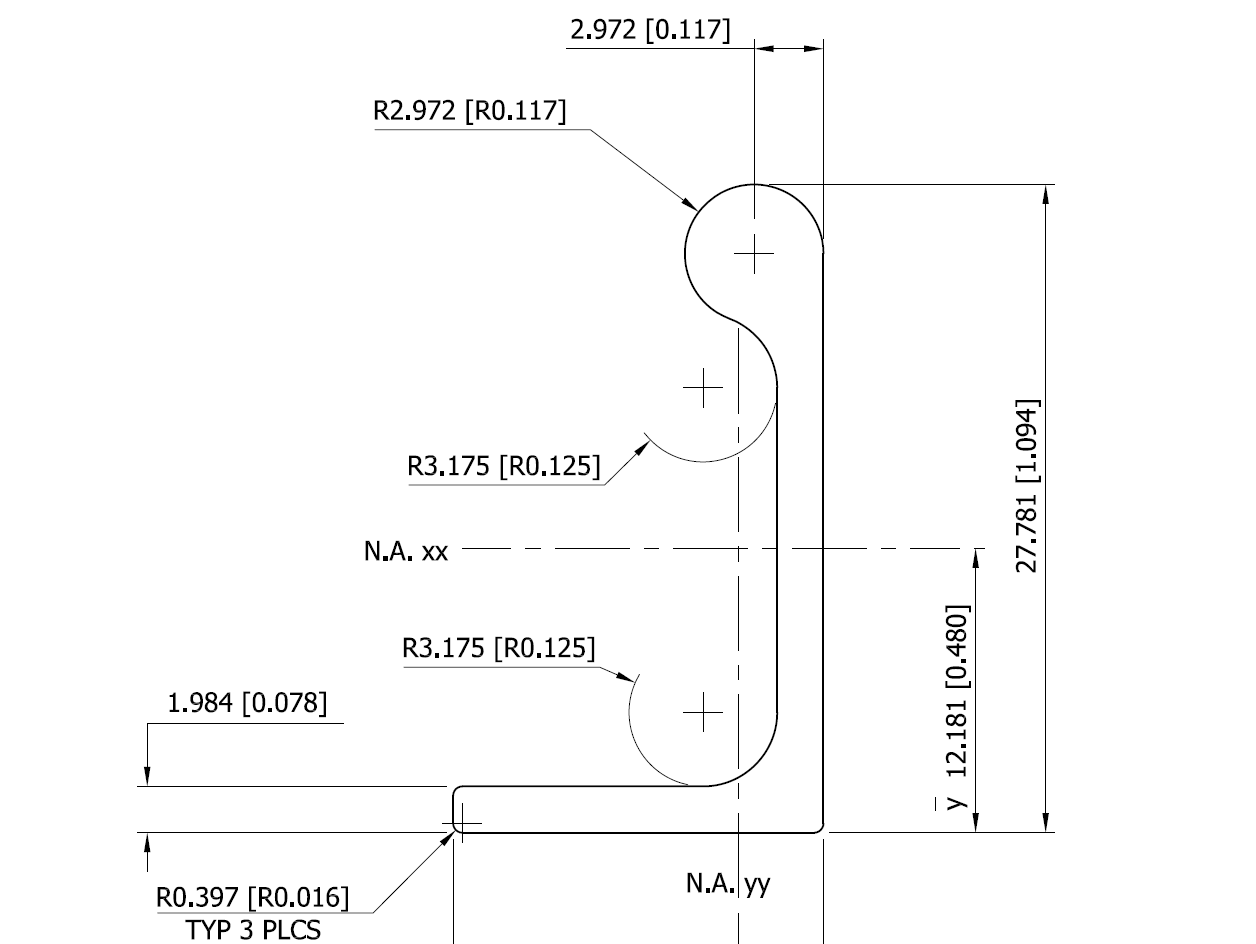
The majority of parts created for aircraft like the P-51 are derived from a library of standard section profiles, not unlike the steel and ship building industries. Fortunately for this project we have an extensive collection of these original NAA standard drawings, numbering 208 in total.

To facilitate the long term goal of recreating the P-51 part drawings as 3D models and associated 2D drawings I figured it may be prudent to first recreate the standard profiles as 2D CAD profiles for this purpose.

So far I have drawn the first 24 profiles exactly as shown on the original drawings but with dimensions in dual format inch & mm…many more to go!

NAA-1E1          NAA-1E1a

North American P-51 Mustang Parts

NAA P-51 B/C/D Mustang:

Ordinates interpretation, translation and development are an important part of my research work and rather essential to the development of the many part and frame components.

It would be great to be able to develop a full parts library for any of these aircraft projects in 3D CAD and recreate the original drawings. However the number of parts in any one aircraft is prohibitive to achieving this goal. I do though occasionally indulge in developing some of the part drawings; in 3D and 2D; if nothing more than a challenge to recreate something that was first designed 75 years ago!

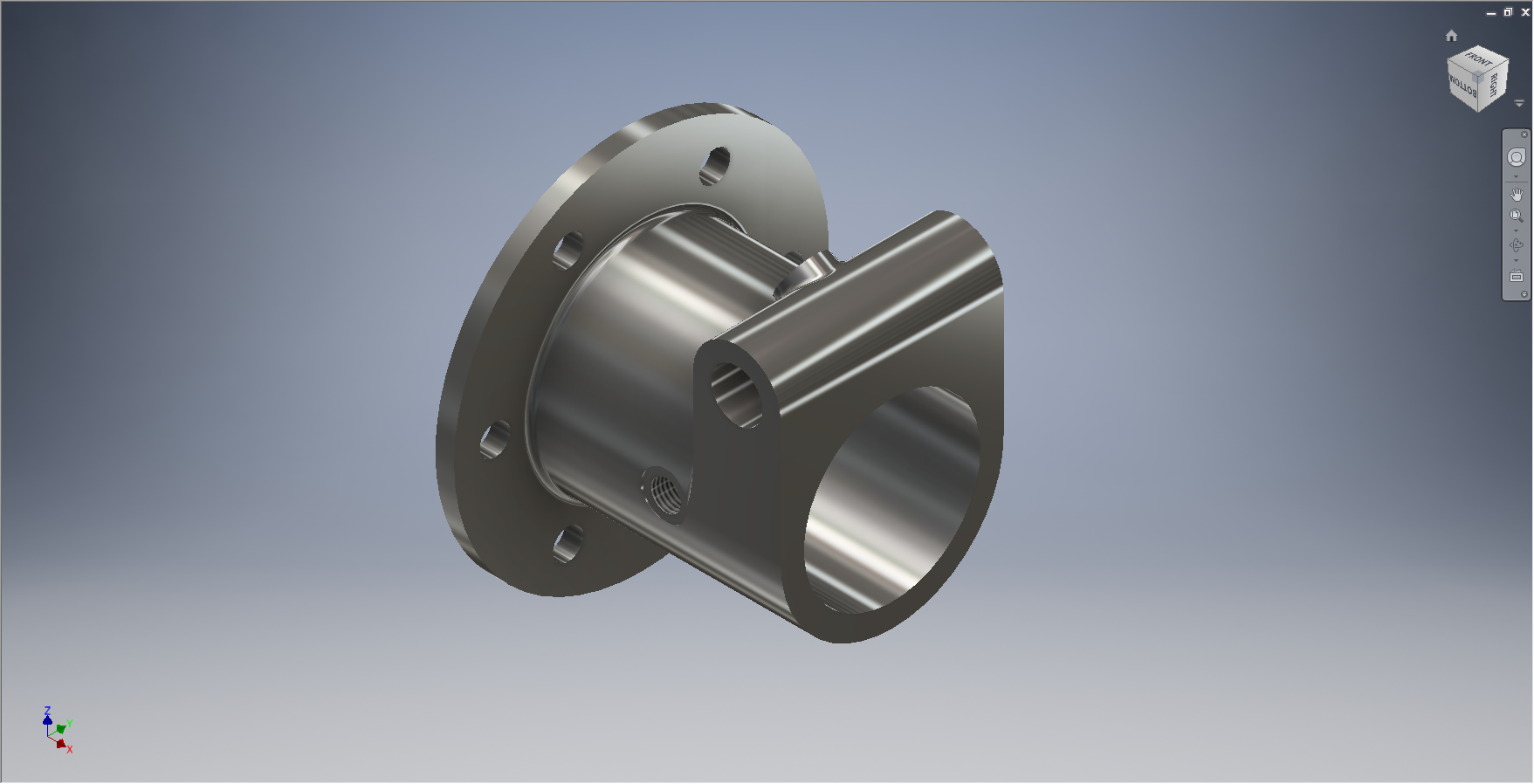
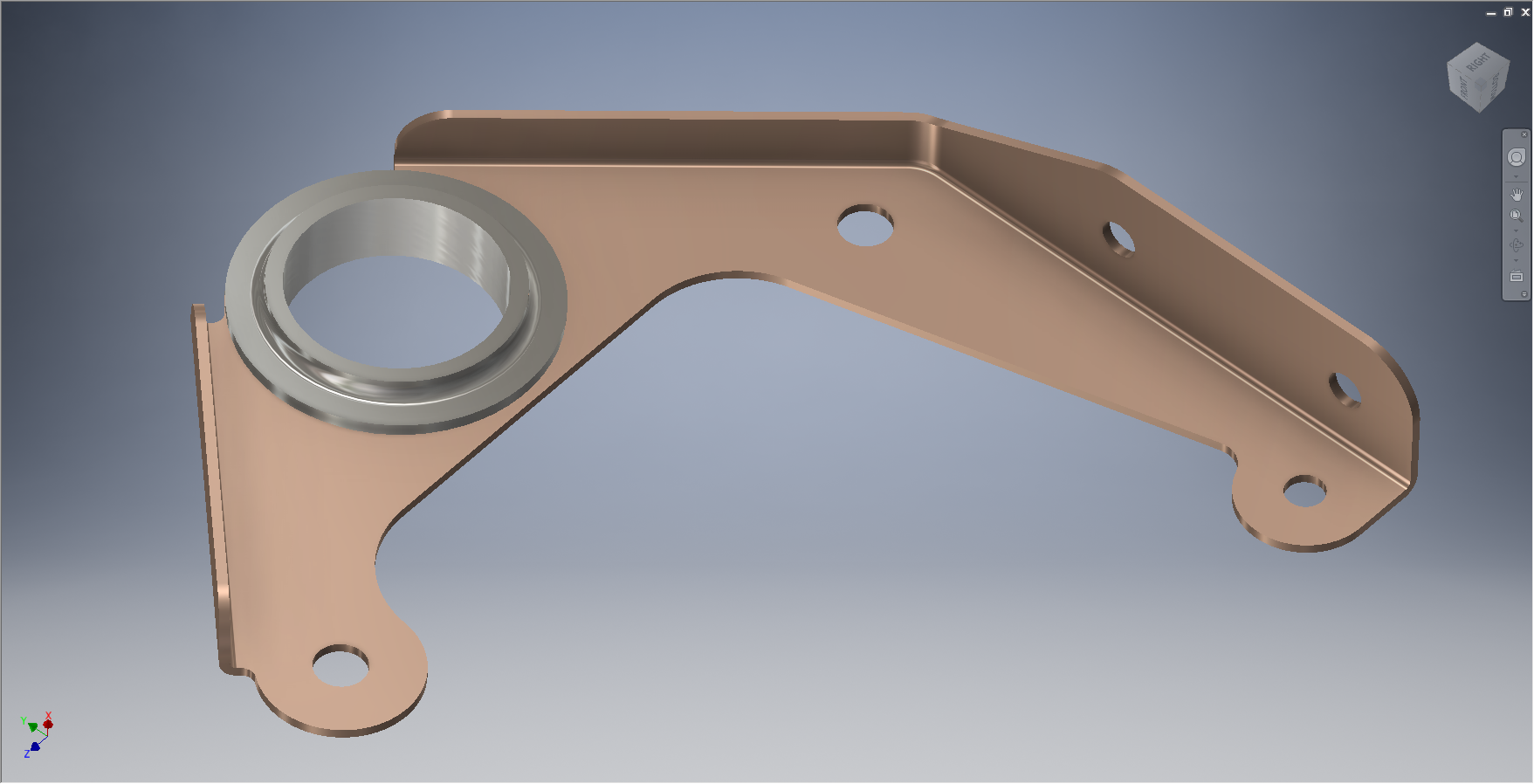
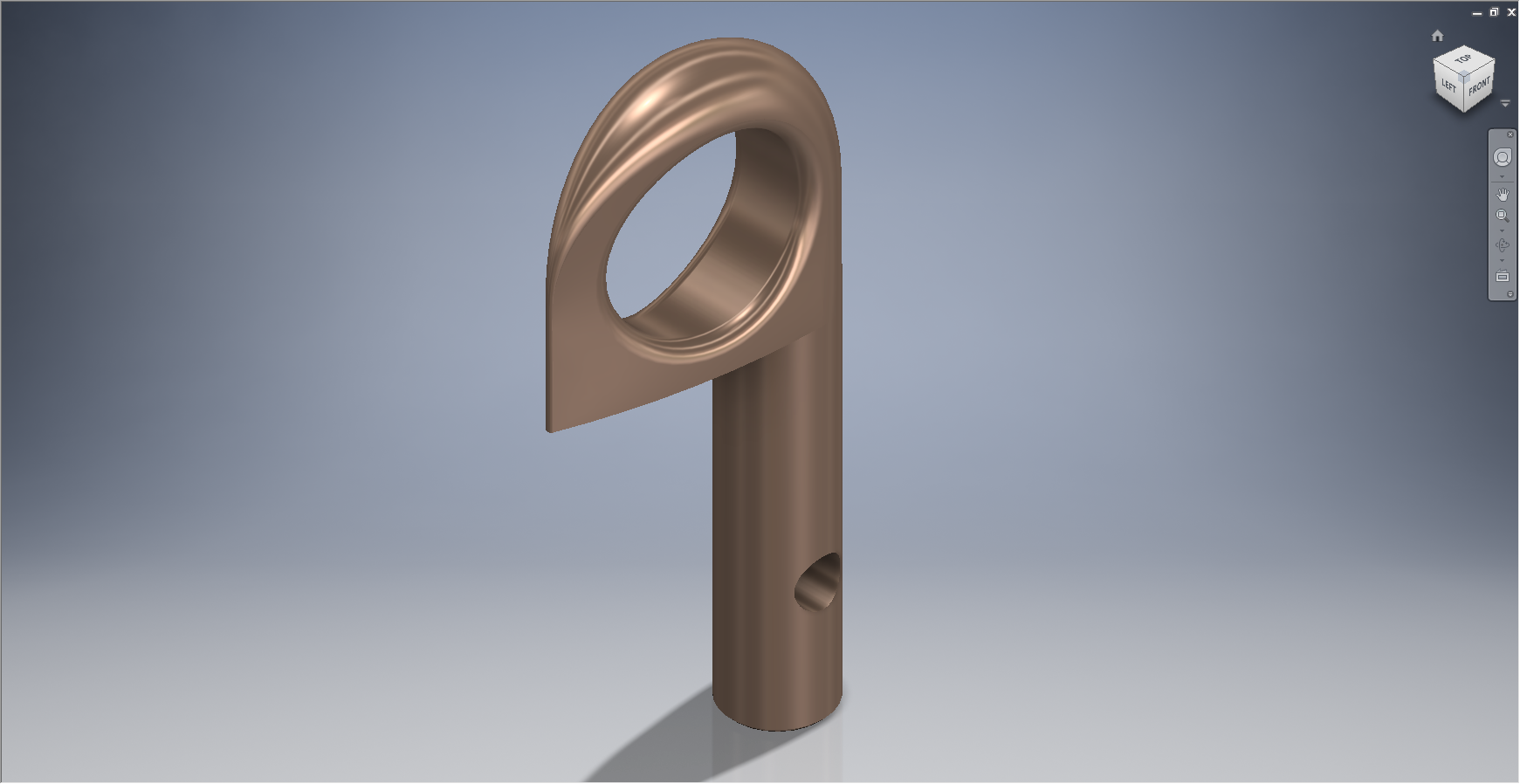
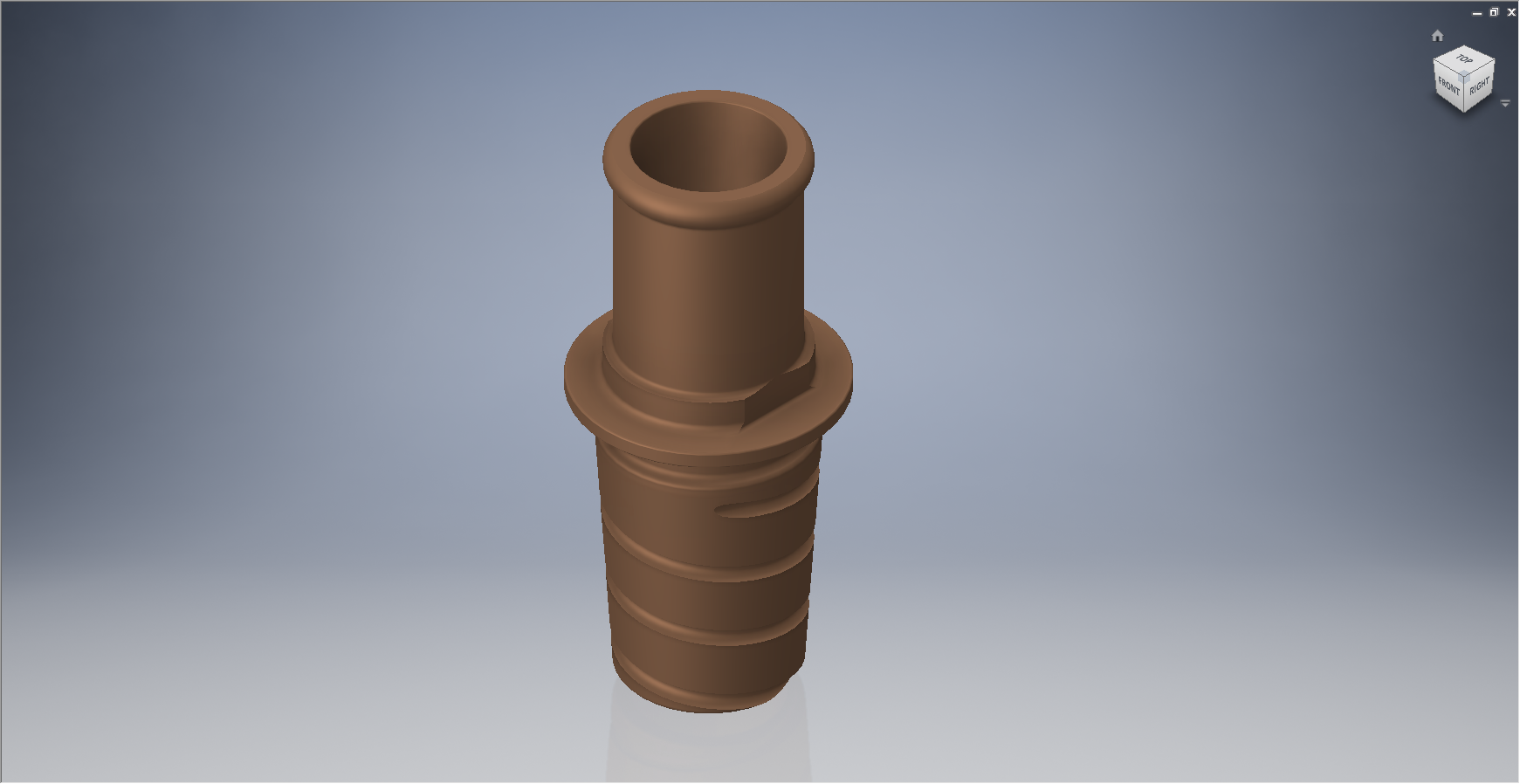
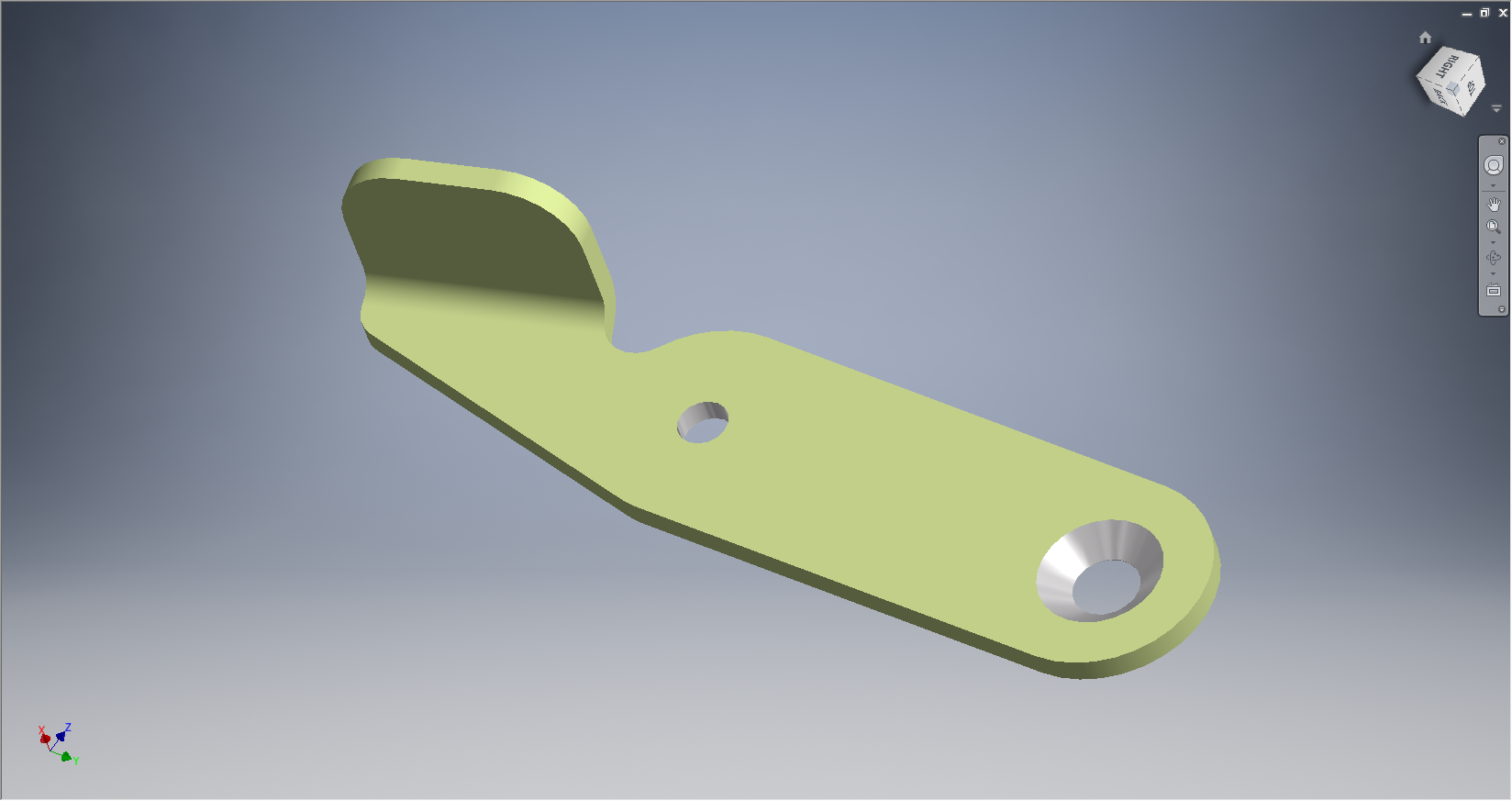
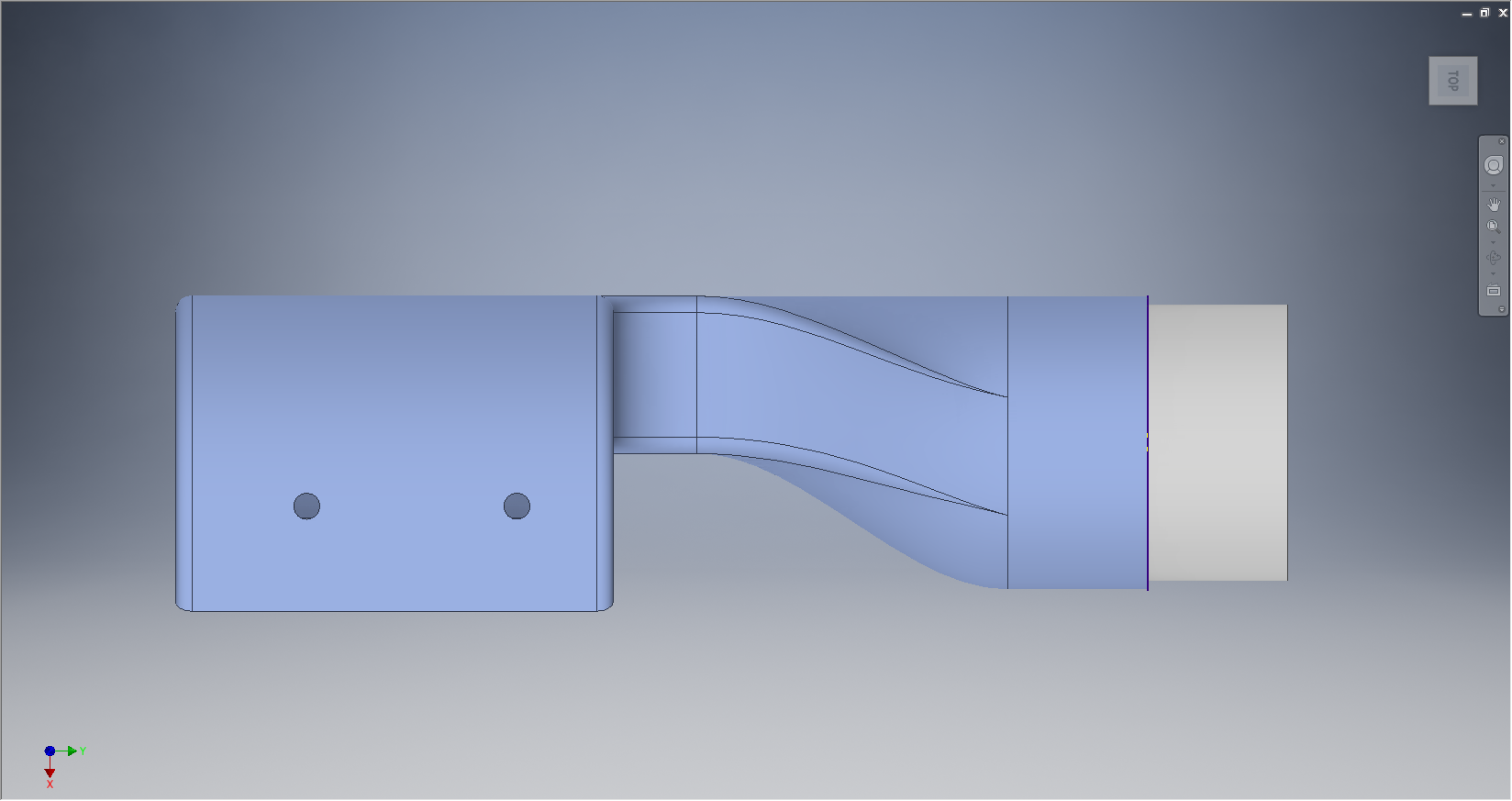
These are some of the parts modelled for the P-51 Mustang:

2015-05-31_00-14-57 2015-05-31_00-14-13

73-47058 Flange: Oil Tank Filler Neck               73-52144 Fitting: Aileron Control Stick

2015-05-31_00-20-39 2015-05-31_00-20-25

99-33463 Clip at Wing Station 56.625           99-318116 Link: Cockpit Encl Exit Hatch

2015-05-31_00-20-54 2015-05-31_00-14-31

99-318134 Bracket: Cockpit Enclosure               106-48343 Bracket: Fuel Valve Support

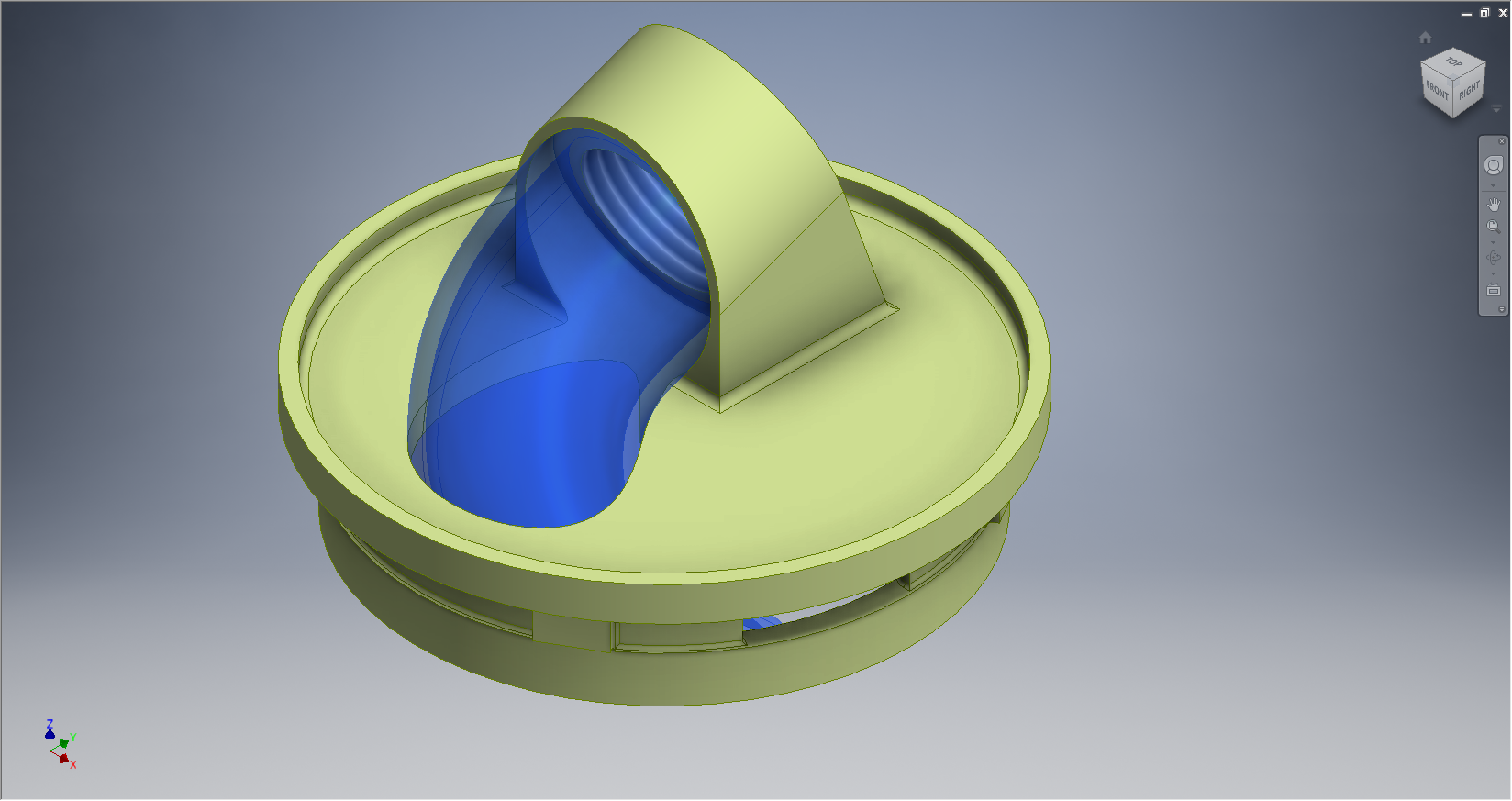
102-53391 Outlet Assy Haet Vent System Cockpit 2015-05-31_17-25-10

102-53391 Outlet Assembly: Heat & Vent Cockpit

2015-06-08_19-43-36 2015-06-08_19-46-35

102-33338 & 102-58181 Landing Gear Fairing Door Strut.

North American P-51 Mustang Project: Ordinates

NAA P-51 B/C/D Mustang

This is one of those projects that gets started and then for some reason gets put on the back-burner until now. One of the key reasons was due to the challenge of obtaining a good surface representation for the lower cowling for the P-51 B/C where I was having problems with the duct intake profile.

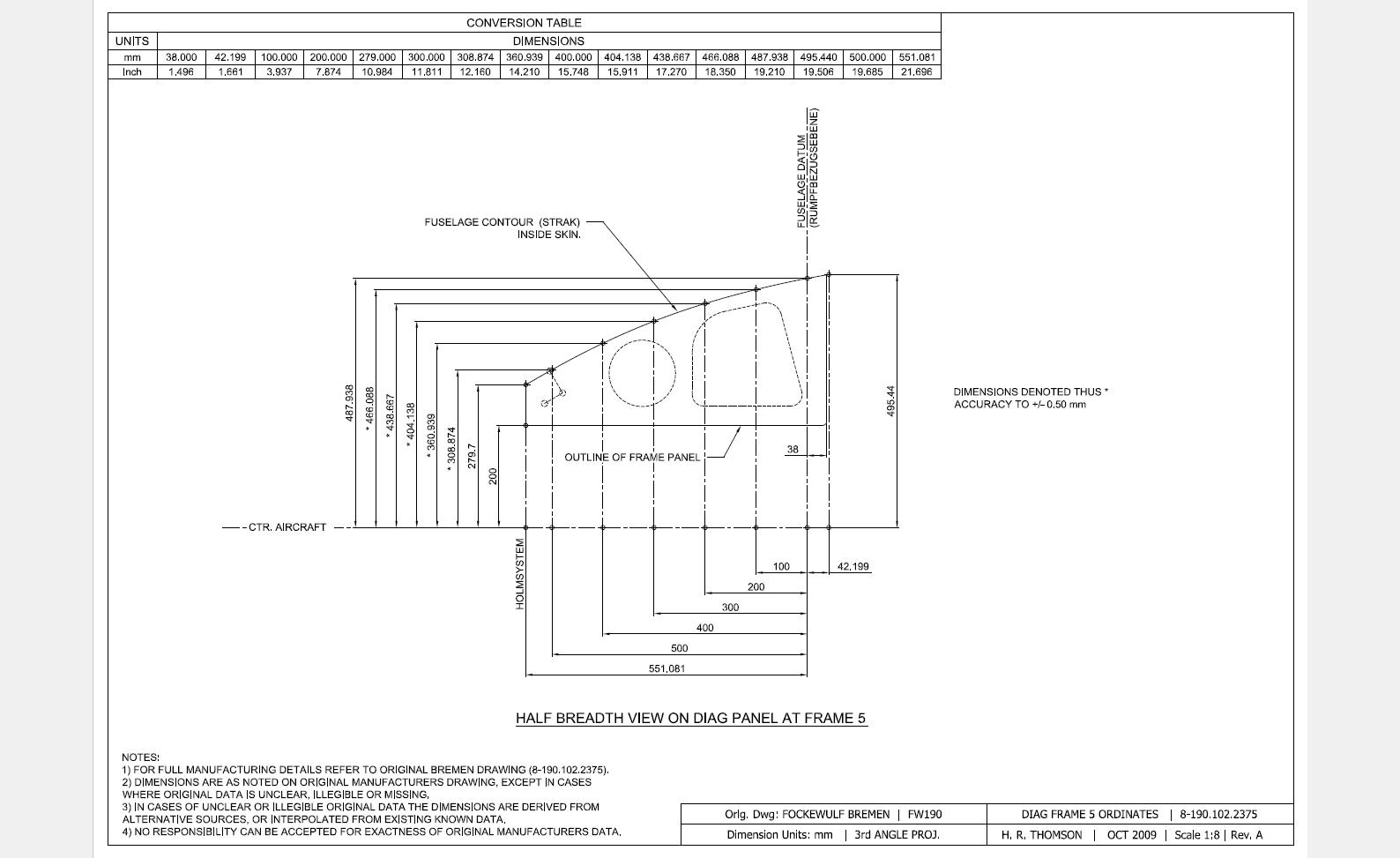
As usual I started with listing the ordinates in a spreadsheet and converting these to millimeters and extracting the X,Y.Z coordinates for further work in CAD.

I prefer to work in millimeters as I know that at so2015-05-30_19-31-32me stage the end profile may need micro adjustment which is so much easier to do using millimeter units.

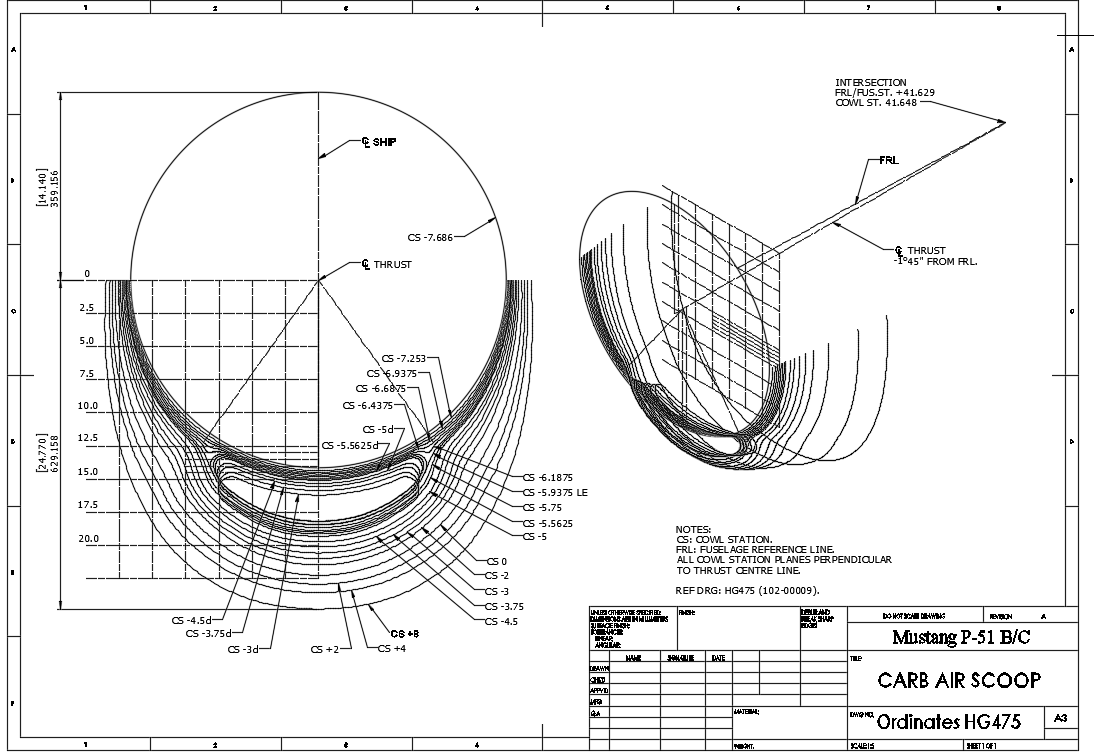
This is a scrap view from the NAA drawing showing the ordinates table and the contours.

Thankfully for this part most of the ordinates were quite legible with only a few requiring interpolation; which would be done as a consequence of developing the data in CAD.

As it turns out there were a few orphaned ordinates that for some unknown reason did not align with the CAD developed surfaces; so these were simply ignored instead of trying to invent a purpose for them being there!

2015-05-30_20-39-59The drawing (right) shows the end result of transferring the spreadsheet data into a CAD product. This drawing is simply a record of the translation process and surmises the ordinates in relation to the Thrust line and Fuselage Reference line.

The main body of the cowling did not present any real problems but the intake duct portion did.

This area is less than 3 inches deep and is actually quite a complex surface; so any small deviation from exactness results in some crazy surface deformations. The original data tables are actually extremely good requiring only one small adjustment to get the result I was after…the trick was identifying which ordinates to use for the end profile and which ones we needed to check we have it done right.

After many (about a dozen) test developments of surface development and interrogation of the original data tables to ensure correct translations I eventually determined the correct ordinates and profiles to use to get this right.

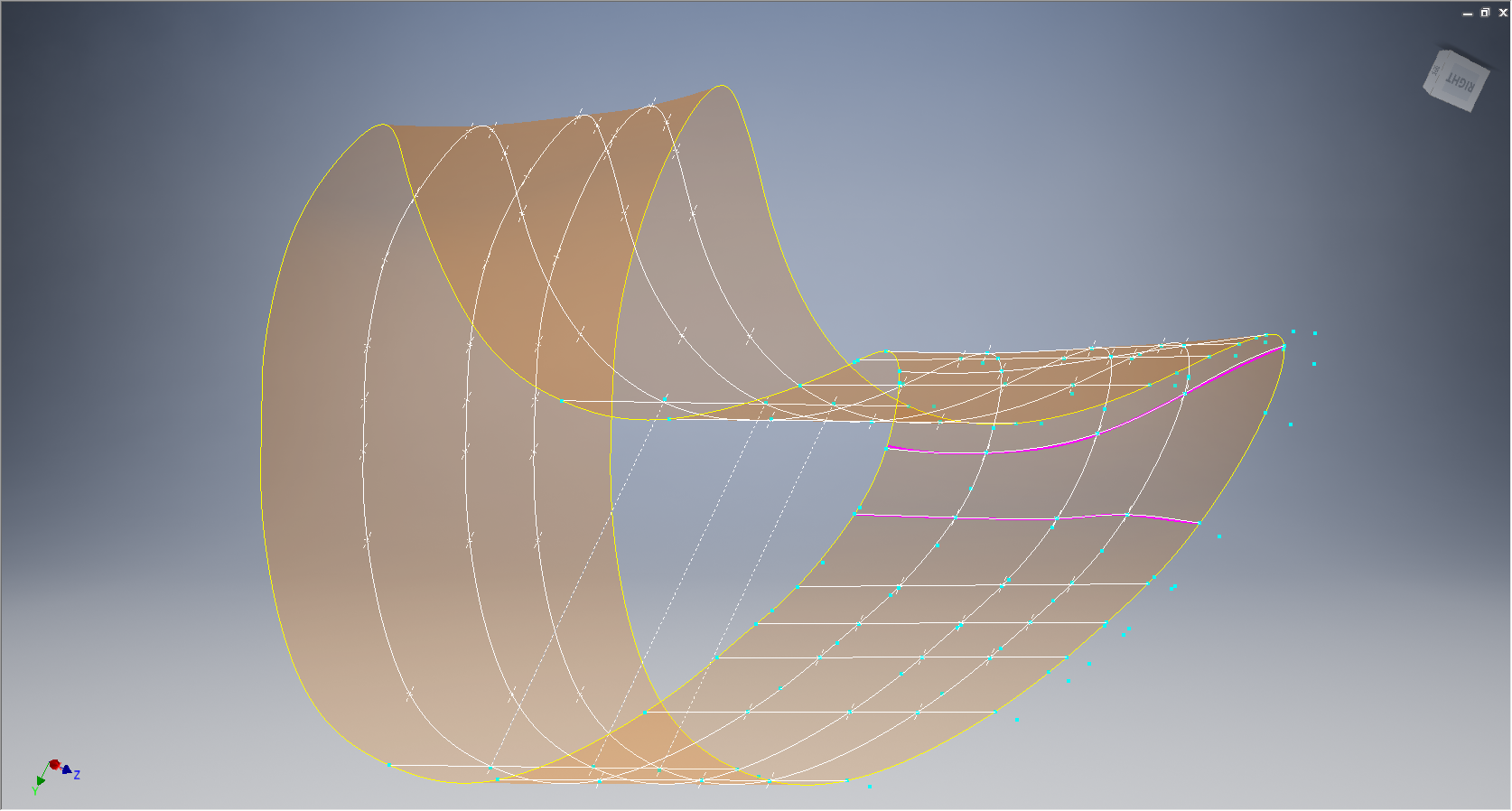
2015-05-30_19-30-34

The resulting surface is based on the selected original ordinates with only one requiring micro adjust. In most cases the adjustment is simply an error in interpreting the sometimes indistinct values in the original data where a 6 could be an 8 or a 3 could be 5.

The 2 magenta coloured contours are generated profiles from a surface section cut overlayed on the ordinate controlled contours from the NAA tables which provides a check to ensure the surface conforms to the original design.

This surface will be converted to a T-Spline surface to facilitate final development.

It may be that this particular part does not warrant this level of exactness nor indeed the time expended in getting to this point. However it is a testament to the many fine designers of this era to be able to reproduce their work that was done to an extraordinary degree of accuracy.

Update Jan 2021: A comprehensive Ordinate/CAD package incorporating all known ordinate data points is now available for download. See this post for details.

Curtiss P-40 Kittyhawk/Warhawk

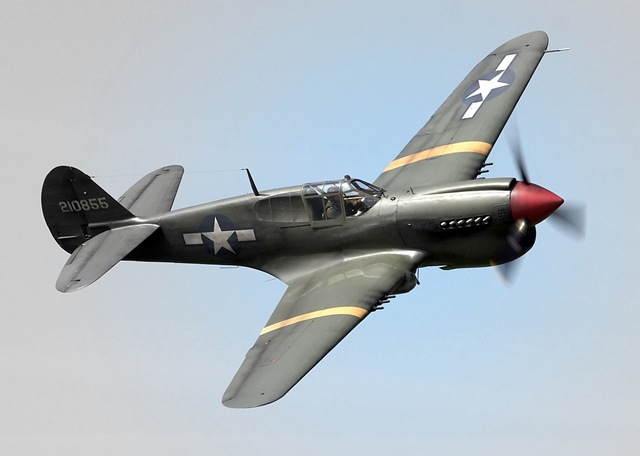
Curtiss P-40 Kittyhawk/Warhawk; the stuff of legends! flown by the infamous Flying Tigers and a remarkable if somewhat underrated aircraft.This is probably my all time favourite aircraft – perhaps influenced by the model I got when I was kid – which of course resplendent with ferocious sharks teeth really stirred the imagination of a young lad.

3902280811_6d029e71ac_o 4105135636_dbd0685269_o
I have in my archive several reels of scans for this aircraft, which I still have to review and document before I can start any meaningful research and development project. All my research projects are based on original manufacturers material, including manuals and specifications.

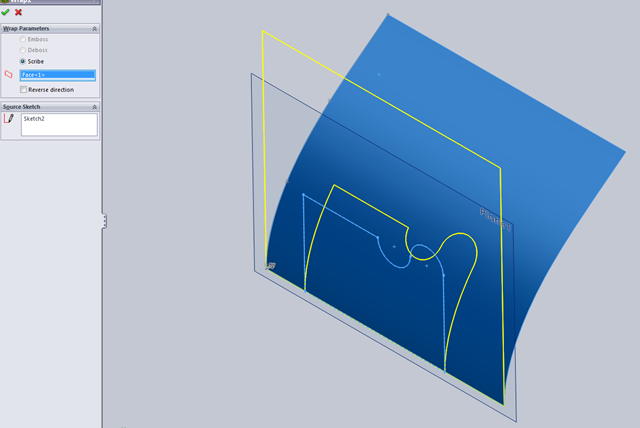
Solidworks: Wrap: Translation of 2D developed flat to curved surface.

Developing 3d models of historical aircraft is both challenging and sometimes frustrating, often requiring inventive, creative thought to develop complex shapes commonly associated with aircraft designs.

Solidworks: Wrap: Translation of 2D developed flat to curved surface.

One key aspect that has given me some grief in the past is when the fabrication drawings show a developed panel alongside the details of its final curvature. In a workshop one would just cut this plate and then form it on a predefined template to create the finished product.

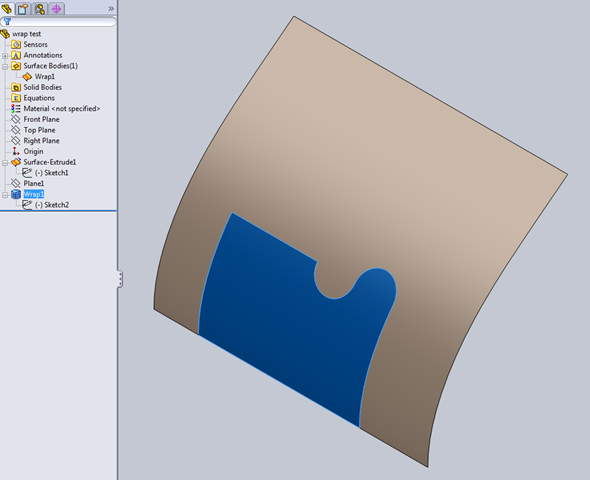
This image illustrates a typical example of the sort of thing I am talking about. The large detail shows the flat pattern or developed profile with the top details showing the curvature required for the finished product.

I had tried various ways of doing this use the Flex and deform options to control the curvature within the dimensional limitations as noted – without success. I finally decided to try the Wrap command – essentially the same methodology used in the real world.

This Technote will describe the process I have adapted to develop these shaped forms.

For the purposes of keeping things simple I am not going to attempt the above but something a little easier.

19-02-2010 22-06-34

19-02-2010 22-08-16

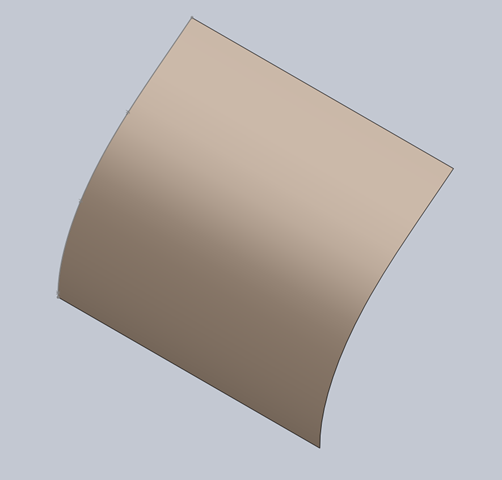
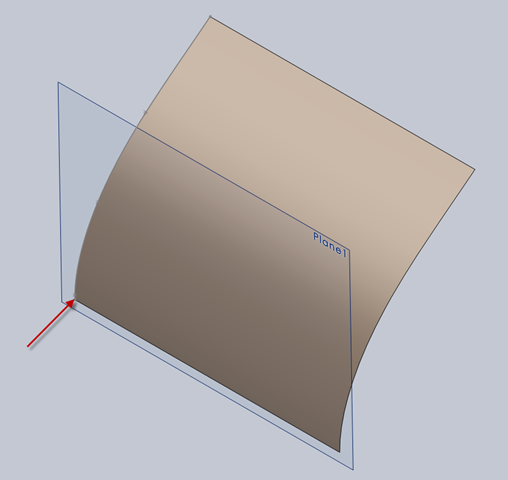
I created a spline and then extruded to give me a surface representing the finished curve.

19-02-2010 22-10-5319-02-2010 22-13-35

The next step is to create a plane tangent to the curved surface selecting the point at the bottom left corner. This is important; the plane has to be Tangent to the surface and a point selected that is coincidental with the alignment of the sketch. The sketch as shown is aligned with the bottom of the curve which is coincident with the datum for the plane. The reason why this is critical is that when the sketch is projected the lines deform to fit the surface which depends on the distance from the surface and the relationship between them – by selecting a coincident point where the sketch meets the surface then deformation is zero.

19-02-2010 22-20-50

Inset>Features>Wrap – select the ‘scribe’ option and the 2d profile is ‘wrapped’ to the surface.

Note: cautionary comment: to check this methodology I did a measure on the left vertical line on the 2d sketch and checked it with the wrapped line on the surface – technically they should be equal – the 2d line measured 37.30194mm and the corresponding line on the surface is 37.29606mm – a variation of .00588mm – well within acceptable parameters.

This is where it gets interesting:

19-02-2010 22-30-43

19-02-2010 22-30-18

19-02-2010 22-28-20

When you select ‘wrap’ in the feature tree the area of the wrap is highlighted and similarly when you select the ‘surface extrude’, but when you check the surface bodies we actually only have one surface!. So how can we progress this to separate the wrap area to enable us to finish the part?

19-02-2010 22-40-40Because the areas are separately selectable we can use the offset command with a value of zero and then select only the area we want….this creates a copy of the surface at the same location…all we need to do now is apply thickness and our part is complete.

So there we have it! A formed plate that conforms to the defined surface curvature and dimensionally with the 2d plan sketch.

Footnote: Placement of the tangent plane as I mentioned is important, but I suspect that thru experimentation various tangency relationships can be identified that satisfy all the necessary criteria.

Historical Aircraft Manufacturers Drawings:

Today with the introduction of computers and CAD design/draughting systems we take it for granted to be able to print pristine copies of the CAD drawings on demand with every copy being of excellent quality.

Up until the late 1980s in fact even into the early 1990s manual draughting on a drawing board was the mechanism by which we developed manufacturing and design drawings.

In consideration of some comments I have read on newsgroups I thought it may be prudent to cover some aspects on the working life of a typical manual drawing, something that is often not fully understood. Through the course of a typical project development; particularly with aircraft; details do change – you just need to look at some of the more common aircraft and see how many variations there is. For every variant and modification usually existing drawings will be updated and new ones created only when required which eventually impacts the quality of the original drawing sheet due to continuous reuse. The luxury of redrawing is not practical in terms of cost and meeting time line objectives….as long as the drawing remains legible it will be reused.

Manual draughting by definition is very different from what we do with CAD drawings – for a start you are working on one drawing sheet at a time, more recently a transparent sheet specially formulated for the purpose. Before you even start the drawing you need to know exactly how it is going to be laid out and where everything will be detailed, because you are only going to do this once – a real skill that would present a real challenge to anyone that has only ever used CAD systems. Reusing the drawing; as mentioned above; for updating design and specifications often required erasing of details and reworking the original drawing – which if you have not tried it, it is not an easy task.

The comments I refer to are from those that complain that copies of original blueprints/drawings currently available from various sources are of suspect quality !!!!

8-109.000 G-2 Flugzeug Zuss 2

Now lets just think about this for one minute – a lot of drawings were done in wartime conditions, manufacturing design changes were often rushed through the system, there was no such thing as CAD as well as the fact they were originally created over 70 years ago!!

Also bear in mind that in a lot of cases the only existing records of the original manufacturers drawings are microfilm records. Copy film or microfilm during the war years and beyond into mid 20th century was not a stable product for long term archiving which is one reason why organisations spend substantial amounts of money every year restoring these original films and rerecording onto more stable substrate. One other point worth noting is that when the original microfilm records were created they did not always have access to the original drawing sheets and accordingly may only have had workshop paper copies to record the data from…which of course is not ideal but nevertheless we should be thankful to have any records at all.

Factor in the fact that often microfilm recording was done in bulk and the operator may not have given the project 100% attention then it stands to reason that a percentage of records will not be clear and pristine!!

Plus even today cost saving is a prime incentive and often scans from microfilm records will be done in only B&W colour space and not Grayscale. Considering all the above and probably a whole plethora of stuff I have not mentioned then perhaps you can begin to understand why a small percentage of pre-war and wartime blueprints/drawings are not quite up to “standard”.

So the next time someone feels inclined to complain about the quality of historical drawing archive material please think about it for a moment before you post comments.

Finally it is worth noting that some enthusiasts like myself are making available Cad drawings (2d&3d) created from some of the less legible material to help others with their projects. This work incidentally is unpaid and countless hours are expended in the necessary research required to develop this material.

FW 190 & Ta152: Ordinates

FW190 & Ta152H: Ordinate Study

1-Ta-152H-captured-FE112-Germany-1945-01

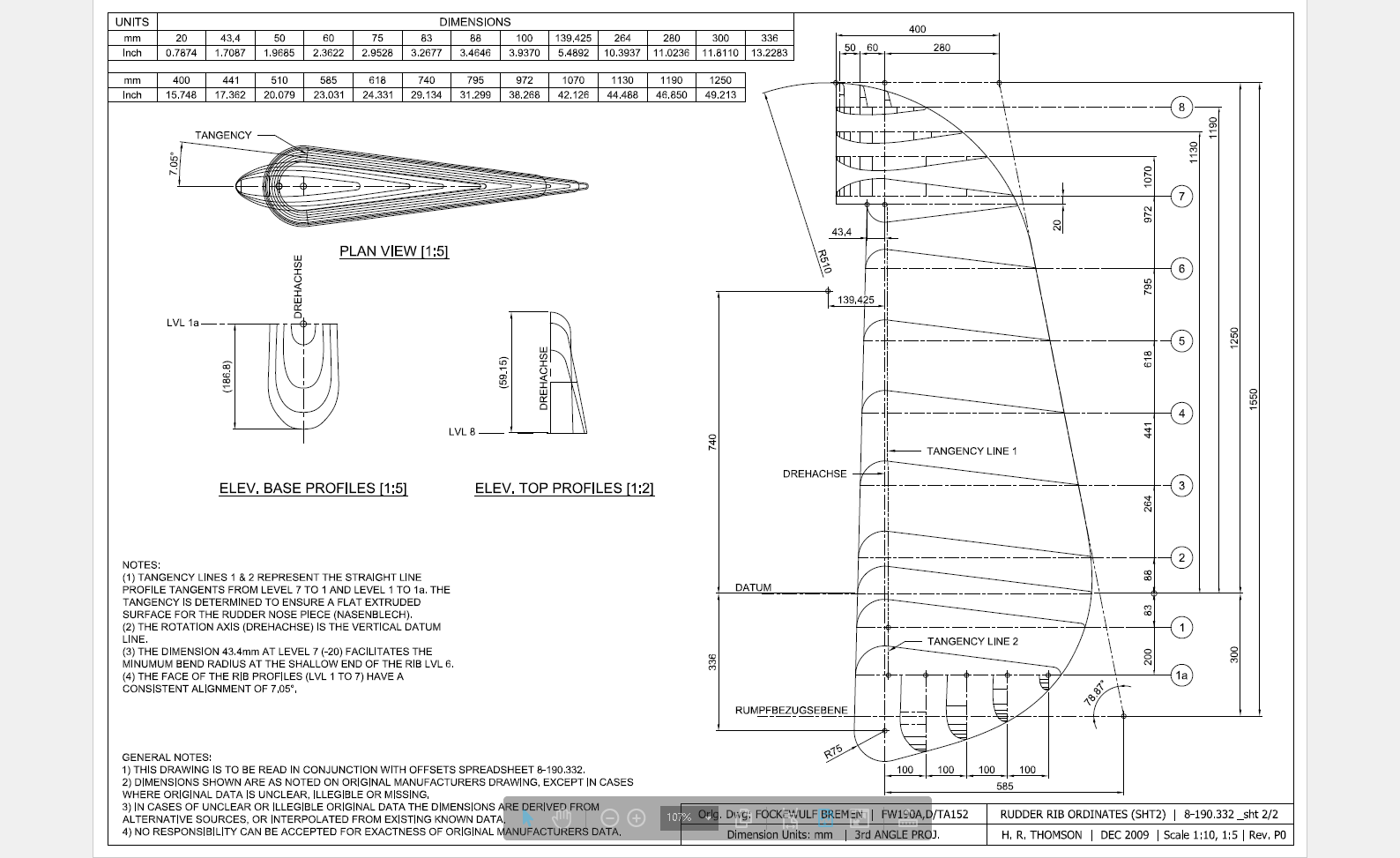
The FW190 & Ta152 was a very intensive project as I delved into the intricacies of the fuselage, wing and rudder ordinates for both aircraft; a study accumulating a mass of data.

In preparing the models I adopted a modular approach to the development breaking the assemblies down into manageable chunks of information that align with the Bremen construction assembly documents.

Every aspect of the available manufacturers data, specifications and third party resources have been very carefully scrutinized and incorporated into this build. Cross-referencing of even the smallest detail drawings can yield surprising, almost minuscule amounts of information, that can have an impact on the finished product.

Aviation Projects Drawing Comments  2015-05-31_21-46-45  2015-05-31_21-45-522015-05-31_21-45-27

It may seem inconceivable to attempt to build a model of this type down to an accuracy better than actual manufacturing tolerances. However; as I have probably mentioned before; working with SolidWorks or Inventor this level of accuracy is critical to a successful build.

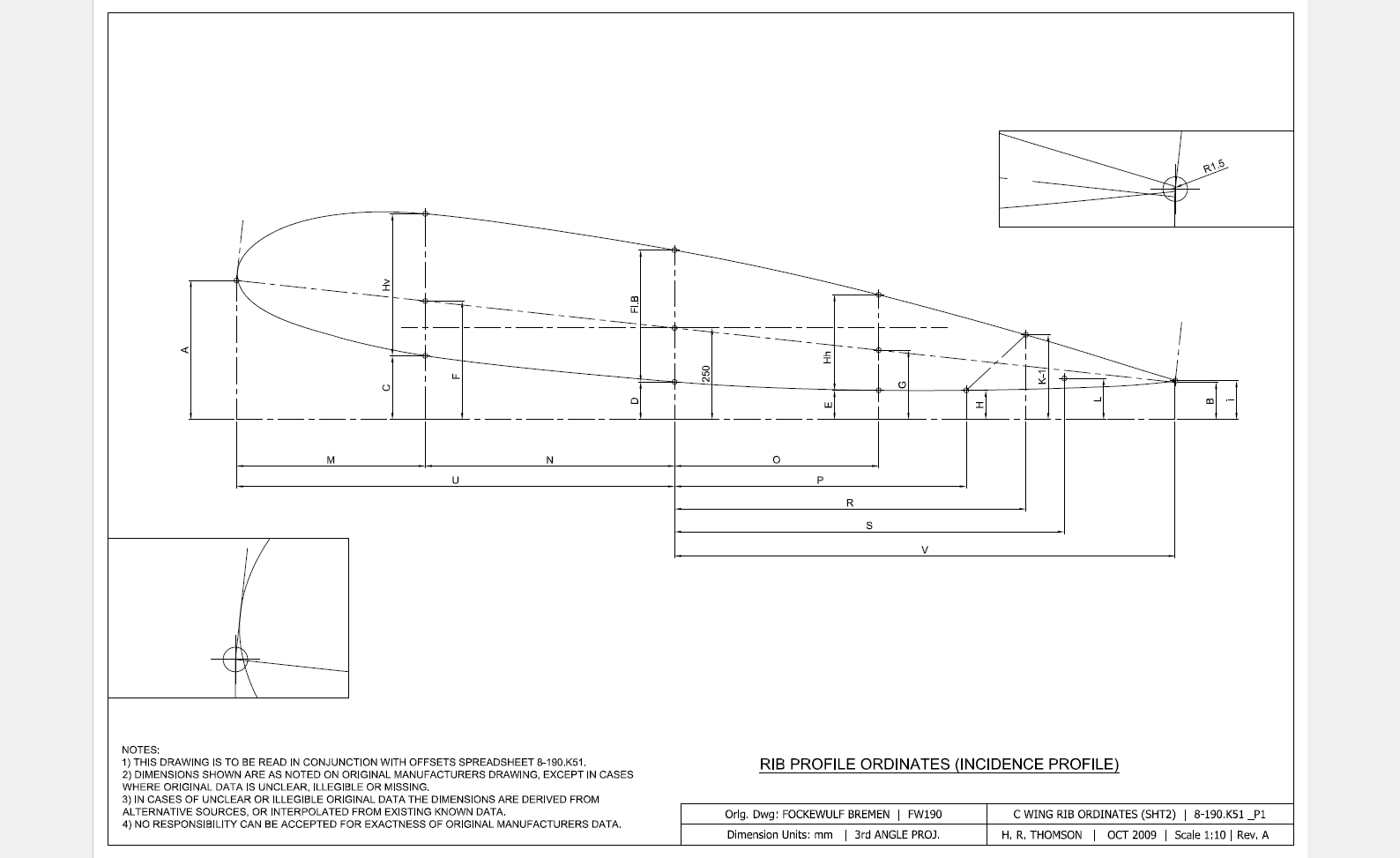
These illustrations give you some idea of the progress I made with this study. Of course, the data sets for this aircraft are incomplete so a degree of interpolation based on the best available information was used where required.

Ta152 Ordinate Spreadsheet package for wings and fuselage available:

Ta-152 Wing Ordinates

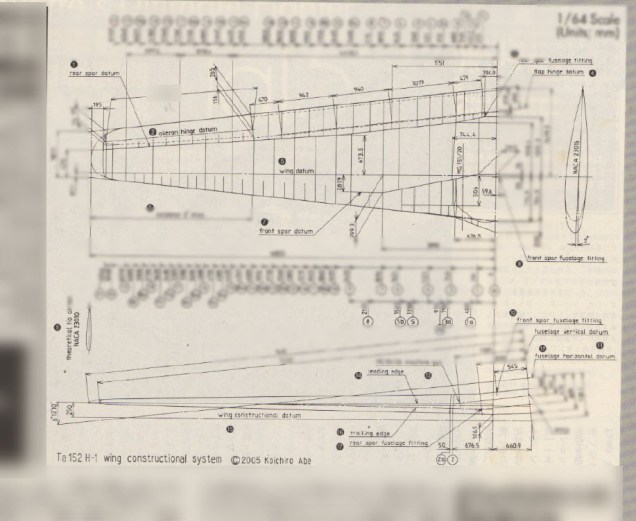
Ta152H Wing Layout:

2019-02-09_13-55-38

FW 190/Ta152: Parts

Focke-Wulf 190 and Ta152 Parts.

Some sample images of components created as 3D models to support this project. These parts are dimensionally accurate, although not certified for fabrication I am confident they would be a useful reference resource. I should note that these components will be built according to the original fabrication drawings and not manipulated to ‘as-fitted’ condition (please see my earlier posts on ‘as-fitted’ conditions).


8-190.9015-2646 8-190.140-08-156

8-190.9015-2646                                                                                          8-190.140-08-156

8-190.105-4024 8-190.105-1422

8-190.105-4024                                                                                          8-190.105-1422

8-190.105-01107 8-190.105-01105

8-190.105-01107                                                                                    8-190.105-01105

FW-190: Rudder Model Finish

FW-190: Rudder Model: Finish

This posting marks the end of the work for the FW-190 Rudder portion of this 3D Cad project. This is not however the end of the FW-190 project.

Project 09i: Penultimate Update Project 09X: Rudder Model Finish & Intro…

My thanks to:

Peter Ewbank: for provision of the FW-190 and Ta152 drawings and ongoing support.

Arthur Bentley: for his most valued help with the wing geometry, the wing washout and aerodynamics on the FW190/Ta152C/Ta152H.

————————————————————–