RC Project 3D Print: Phase 2
As I embark on Phase 2 of the 1/16th scale SU-31 RC project, my focus will shift to the critical task of selecting the appropriate RC components. I have diligently begun to explore a range of suitable options, taking into account various constraints, including the limited available space and the essential calculations required for sustainable flight.
This marks my first experience using a program called Ecalc, which offers a comprehensive overview of comparable components and their specifications. I know that many of my blog readers possess a wealth of knowledge in the intricate art and science of designing RC aircraft. Therefore, I warmly welcome your insights and expertise to help refine my component selection and ensure that every aspect of the project remains within optimal parameters.
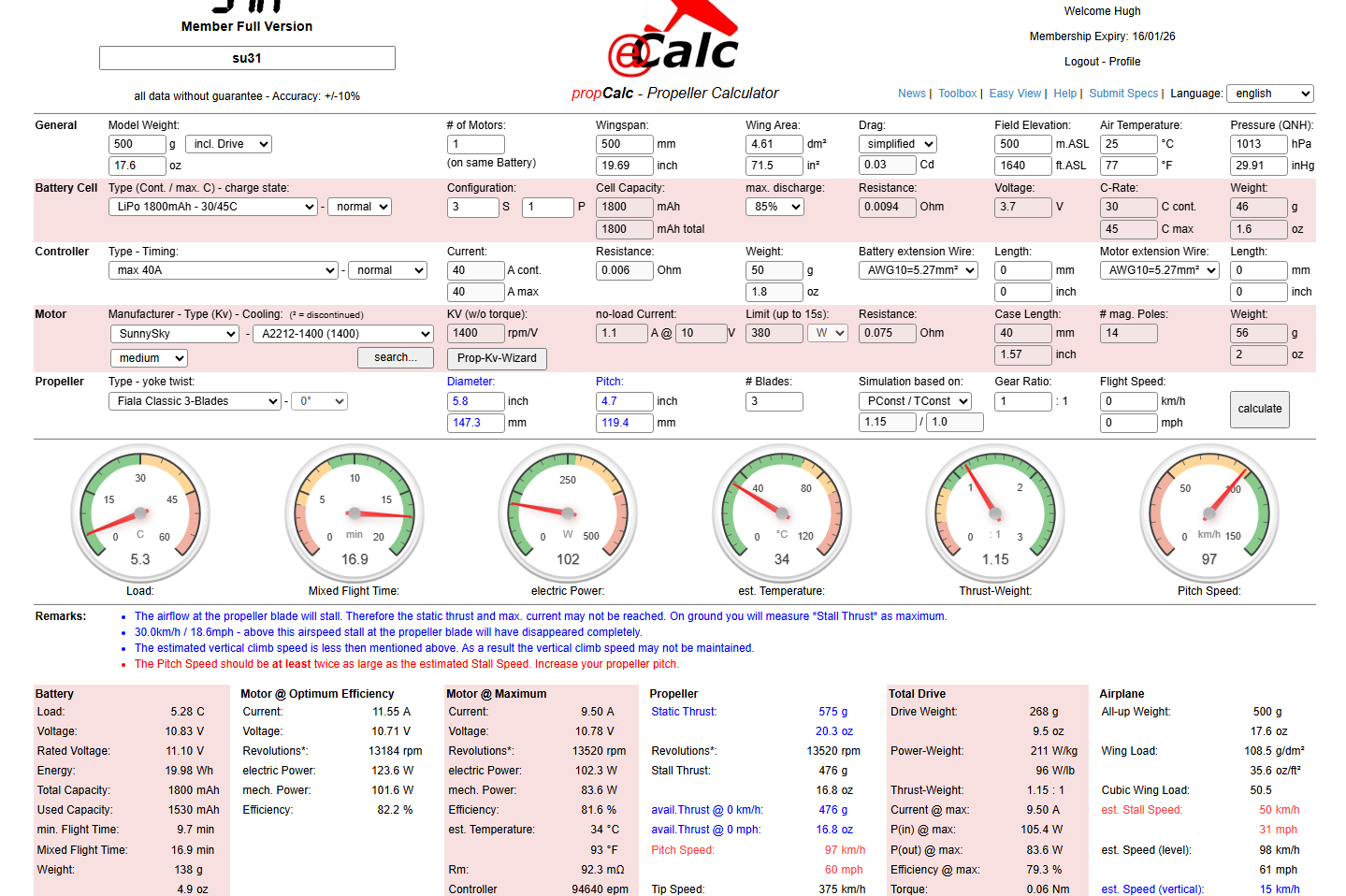
(Image updated 18/12/2025…value of dm2 changed from 4.04 to 4.61.)
Some observations:
- The overall weight, including RC gear, is estimated at 500g. To be honest, this is a rather conservative estimate.
- The propeller size is limited to a maximum of 6 inches; though ideally, I would prefer to get that down to a max of around 5.6 inches, as ground clearance is critical upon landing.
- The motor rpm for this size of model is, in my opinion, quite high; my initial attempts at a design with a lower 900Kv were not very successful.
- The battery at 1800mAh 3S is fine and aligns with initial expectations and fits the fuselage well. The calcs suggest a minimum of 1600mAh 3S battery.
- I am happy with the temperature and Electric Power readings.
Overall, the design appears to function well. Your assistance in identifying parameters for reducing the RPM and determining a more appropriate prop size would be greatly appreciated. We also need to address the blue and red comments noted on the Ecalc form.
In addition to the above, I have also been researching suitable Chaservo thin-wing servos for the Ailerons, which I think may be suitable, as shown in the following image.

There are, of course, higher torque options, such as the Hitec HS 7115, which require more power. The Aileron length is almost 3/4 the length of the wing, so it is important to locate the operating mechanism further out on the wing, approximately 1/3 the length of the Aileron.
For the prototype, I am looking to achieve a stable flight for a reasonable duration to test the strength of the aircraft frame. As I mentioned in my previous posts, the wings and fuselage will comprise thin walls with 10% gyroid infill; therefore, it is imperative to ensure this model withstands the rigours of flight and landing. Perhaps later down the road, we will consider improvements for aerobic capabilities, but for now, let’s just get this thing flying.
Please comment below or send me an email at hughtechnotes@gmail.com. Your help would be greatly appreciated.
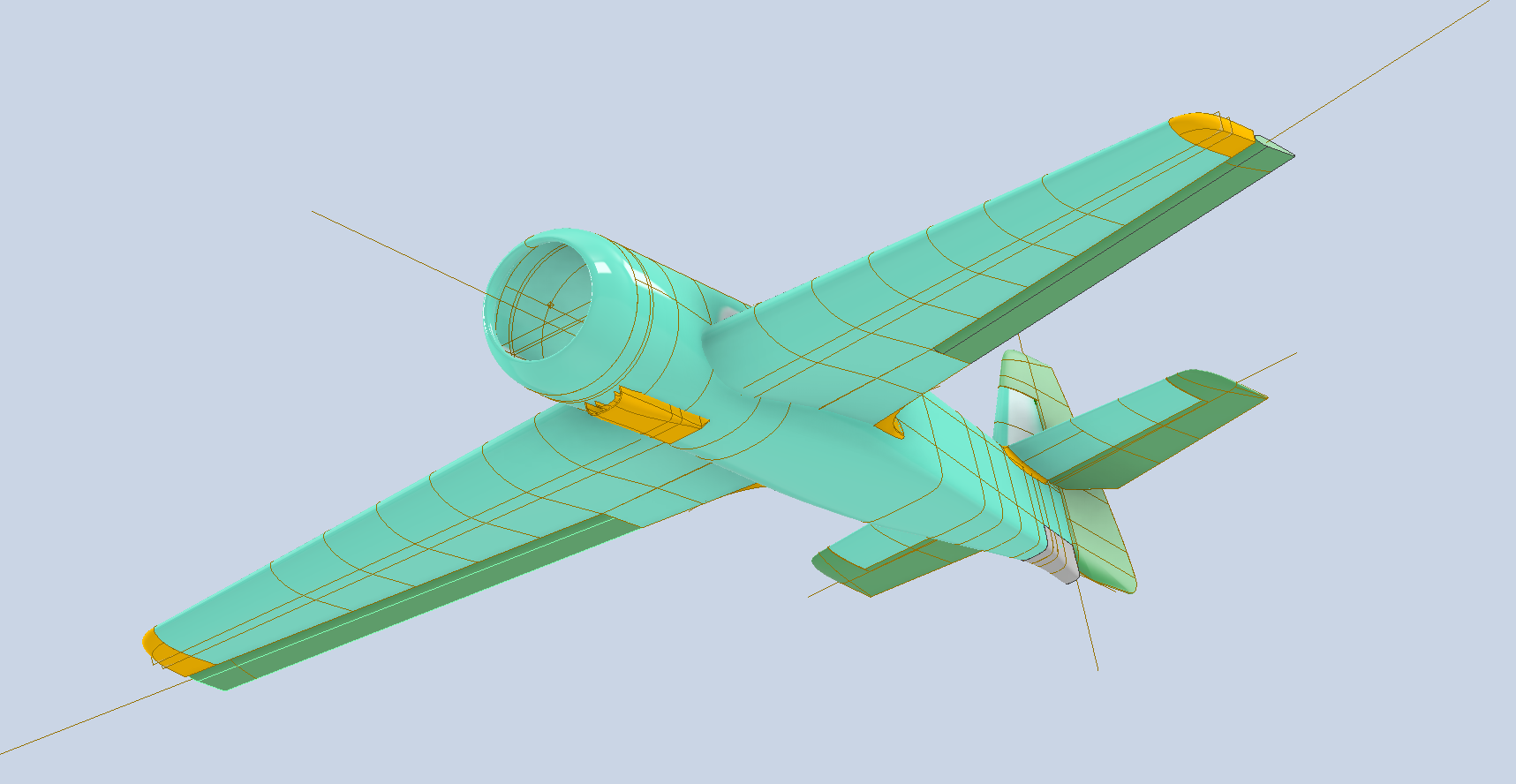
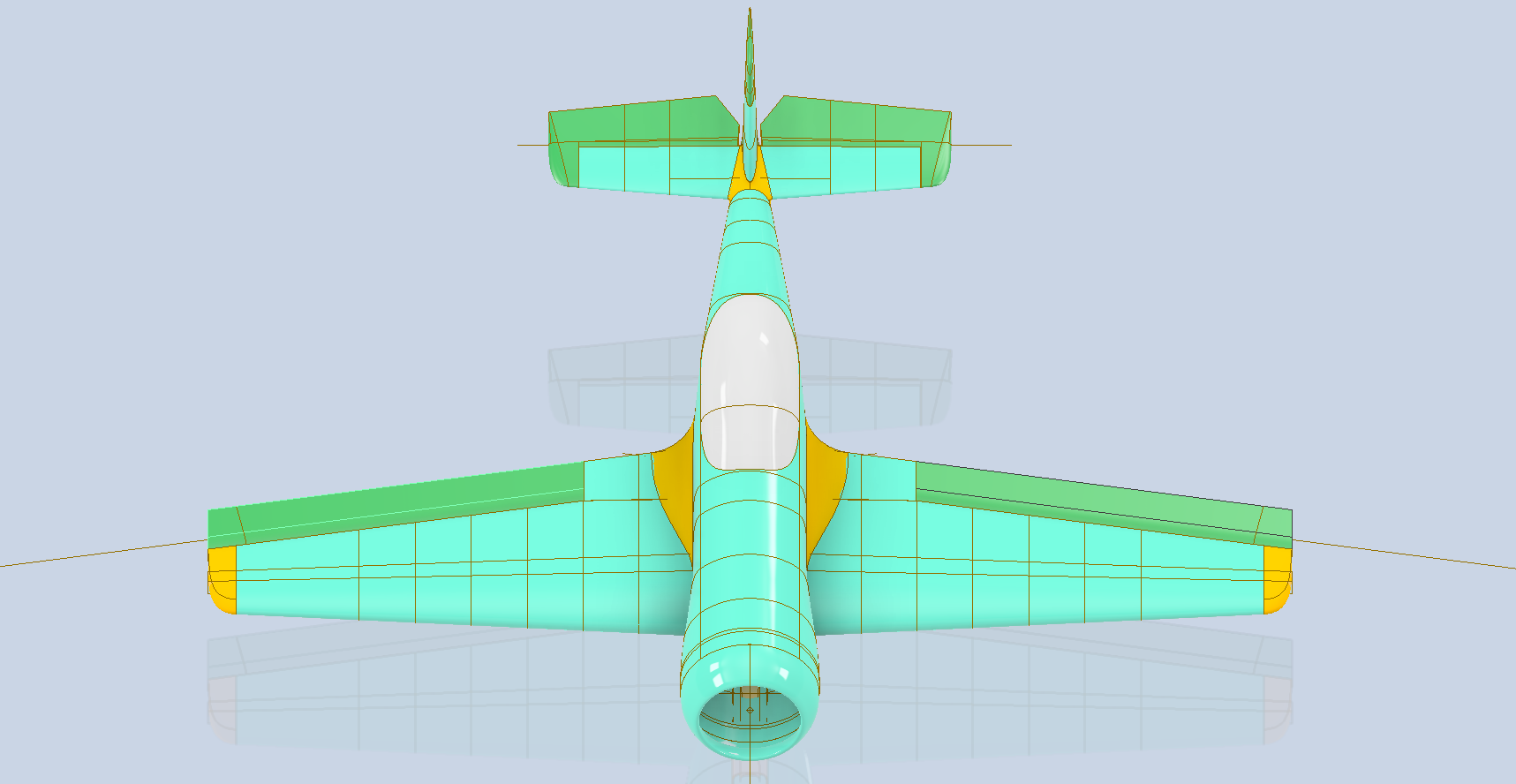
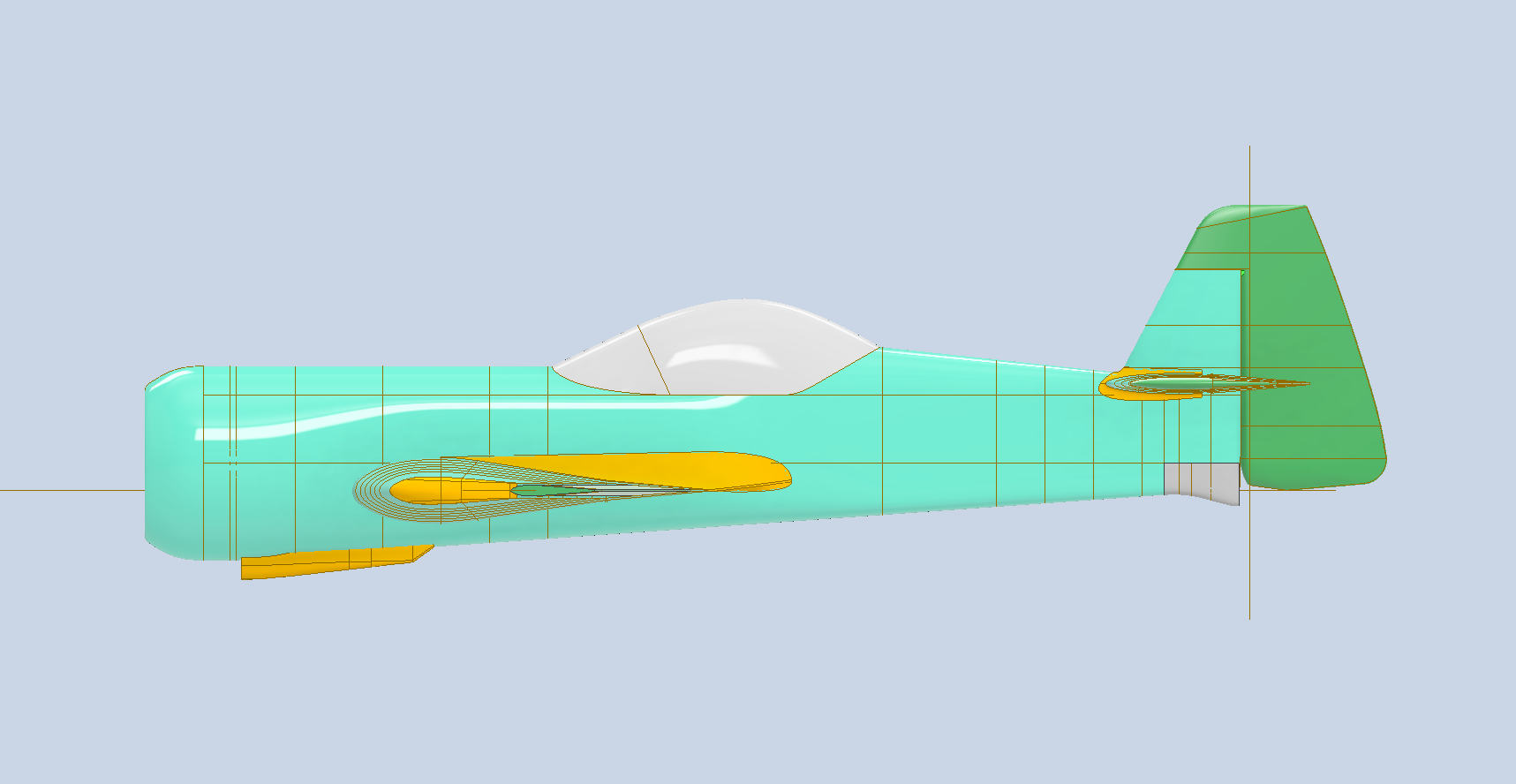
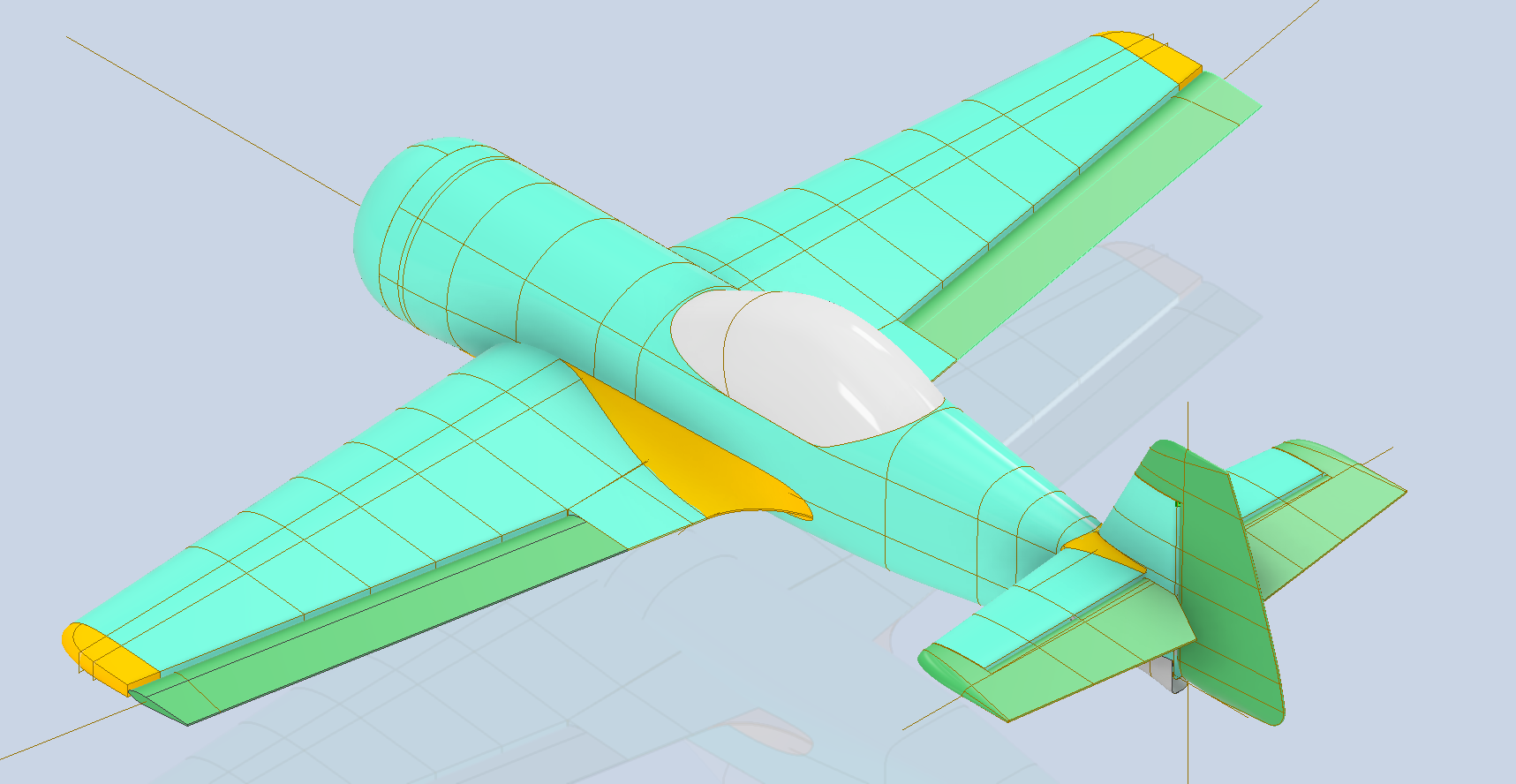
Update: This is what the 1/16th scale CAD model looks like.

The full-size, mathematically accurate model is available in STP, DWG, and IGS CAD formats. This dataset also includes 2D dimensioned drawings. The datasets can be purchased for just £33.95, including the 1/16th scale version shown above.
PayPal is the preferred payment method, and download links will be sent to the recipient once payment is received. [PAYPAL LINK]… please include a contact email.
 Aviation CAD TechNotes